


|
|
search DownTheRoad.org 
Custom Search
|
|
|
My 3 Books
HOME Read
Sample Letter Places I have been
India and Neighbors Alaska
/ Canada / USA New Zealand Australia SE Asia / China South
America
AZ, Mexico, and
Central America
How I started Equipment Pages Index
Introduction
Camping
|
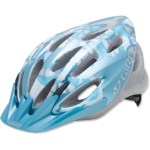
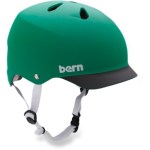
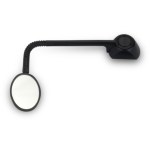
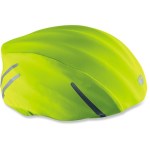
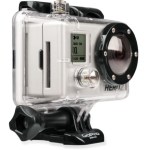
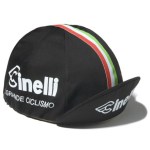
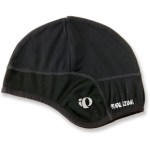
To Helmet or Not to Helmet? Actually, I've no intention of taking a side in this debate; I'm completely pro-choice when it comes to bicycle helmets. Popular opinion on the necessity of helmets varies around the globe. Bike commuters in Copenhagen ride helmet-less looking cool and well-combed, Portland riders don artsy egg-shaped helmets and Indian bicycle rickshaw wallahs have never heard of such a thing. Bike helmets are the law in Australia and some parts of the US. Personally, I choose to wear a helmet while bicycle touring for more than just the safety benefits. My mountain bike helmet has a visor that keeps the sun and rain off my face while protecting my noggin from bumps. I don't like over-spending on bike equipment, but helmets are not a place to economize. While all cycling helmets sold the US meet minimum safety standards, the higher end models are generally lighter, cooler and better fitting. More vents mean better airflow. Pay attention to the sizing as well. You can customize the fit of your bike helmet by adjusting the length of the straps. A too-large helmet will slip around, making it ineffective if you take a tumble. Remember: you want the front of the helmet to stick out further than the tip of your nose if you face-plant into the pavement. A helmet propped on the back of your head will only provide protection in the unlikely event you fall backward or directly on the top of your head. Most of the wear and tear on helmets happens when they're off your head. All those clunks on the floor add up. Although the shell remains intact, the integrity of the polystyrene core is gradually degraded. It's a good idea to replace your bike helmet every few years. If you do have a crash and hit your helmet, get a new one even if the old one looks undamaged. There could be cracks inside. Personally, I like a mountain bike helmet with a visor. The vents let air circulate, keeping me a little cooler, and the visor provides shade. The mountain bike style seems more substantial than a racing style (I've no evidence of that, it's just my impression). Racing helmets are made to be aerodynamic, not really one of my concerns for touring. My helmet takes some abuse from bouncing on the floor or being set too close to the fire. I need something tough rather than fast. Like all gear, there's a myriad of fun accessories to complement your helmet. I like a Gore-tex helmet cover for rainy day riding. Plastic shower caps work in a pinch, but don't breath, making your head just as wet as the rain would. Cycling caps are fashionable on and off the bike. On super sunny days, a stylish cap with a neck cover keeps the back of your neck from burning. Commuters may be interested in a lighting system that attaches to the helmet for increased visibility during night rides. Another cool bit of safety equipment is a small rear view mirror that attaches to the helmet. If you want to record rider's-eye-view footage of your ride, check out some light and durable helmet cams.

|
Bicycle Touring -
Bike Stuff
Touring Bicycles
Tents
Bike Computer
Helmet What I Have Learned On The Road
Sponsors (how?)
I have used several brands of bicycle panniers and
highly recommend Ortlieb.
See Why I switched to Ortlieb waterproof Panniers?
Tents and ground
cloths
|
|
2002 - 2020 © DownTheRoad.org (TM) All Rights Reserved © Find out how you can use my pictures on your web site legally and free of charge.
|


 Helmets
with Visors

 Cycling
Caps


