Jodhpur Fort, Palace and City, Rajasthan, India
Photo,
Pictures of, Images, Picture
(March 2012) |

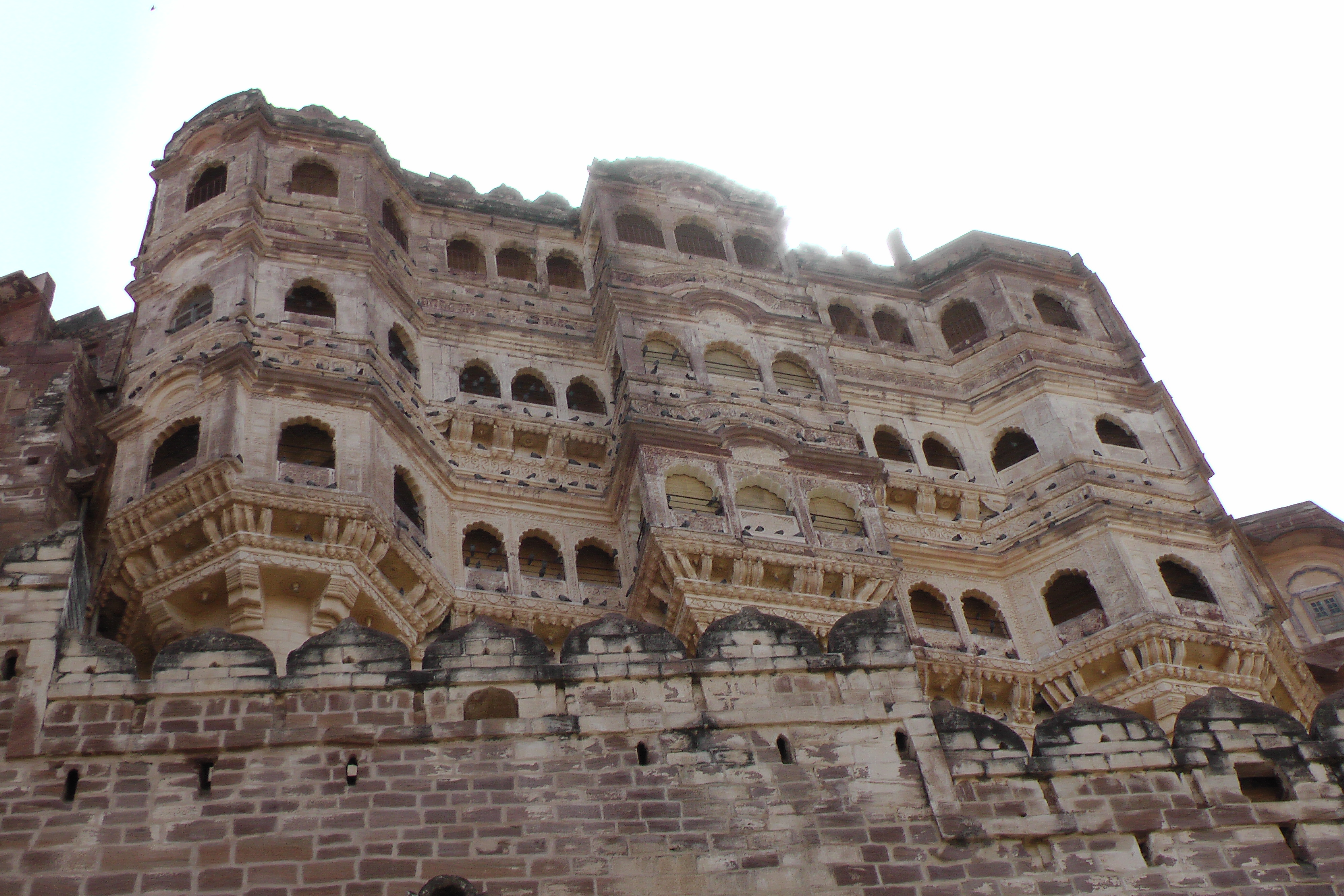
The old city in Jodhpur, India and the looming fort and
palace overhead. We spent a full day exploring the unorganized city and
another touring the fort.

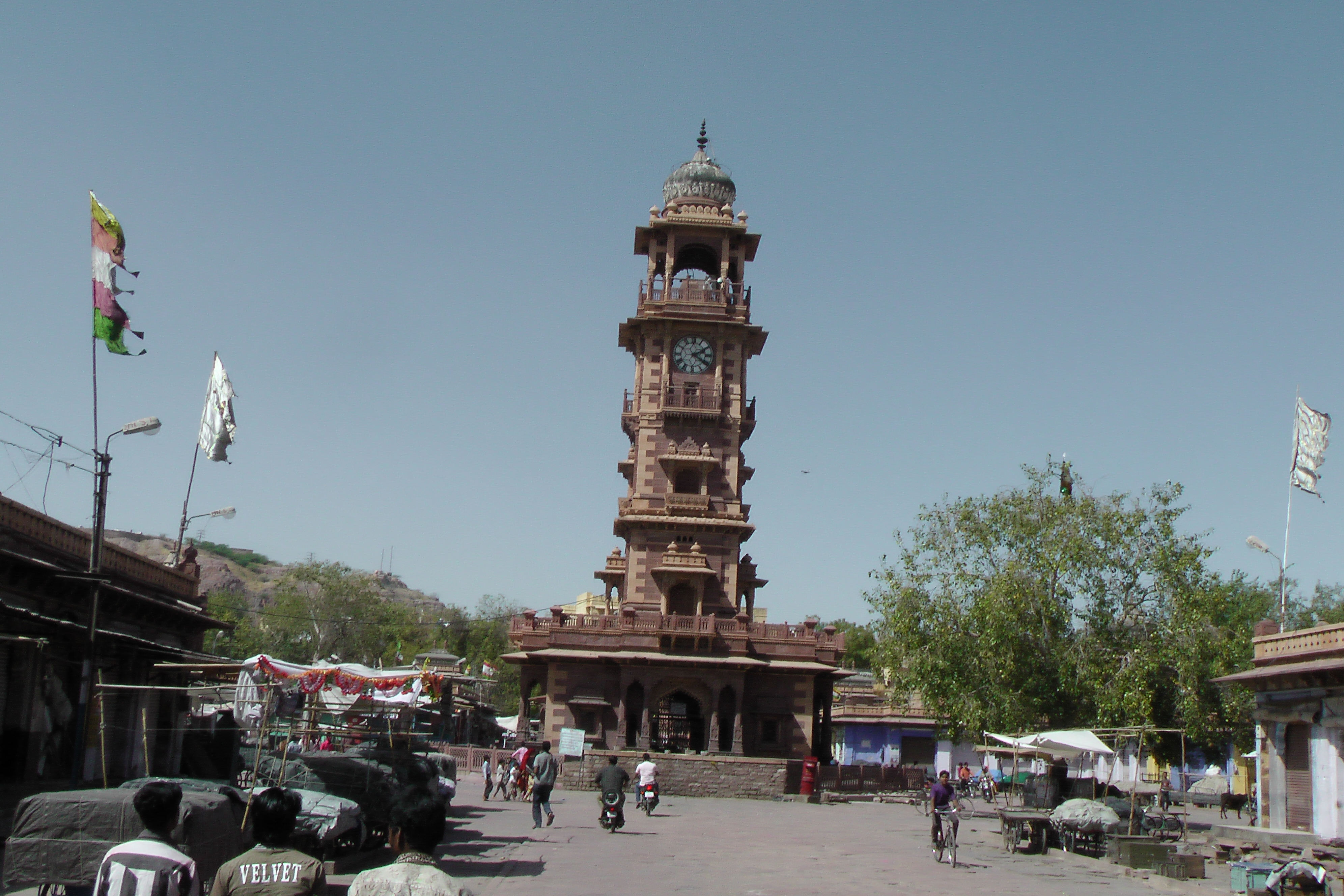
The clock tower, an excellent navigator to help you find your way around town.

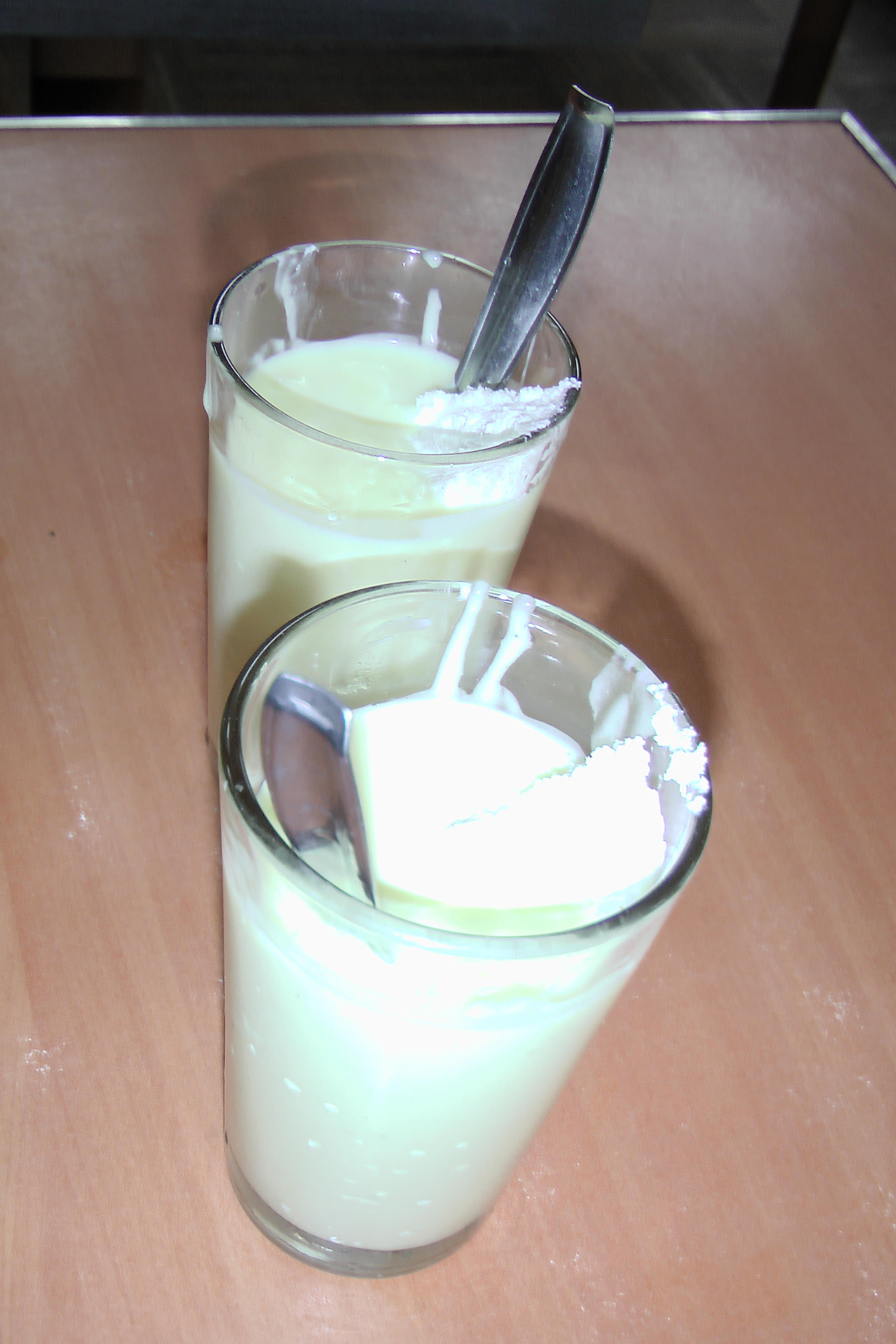
Makhania lassi at the Shri Mishrilal Hotel. This saffron flavored creamy milk
drink is named the best in India by Lonely Planet writers. I'm not sure I
totally agree, but it is tasty.

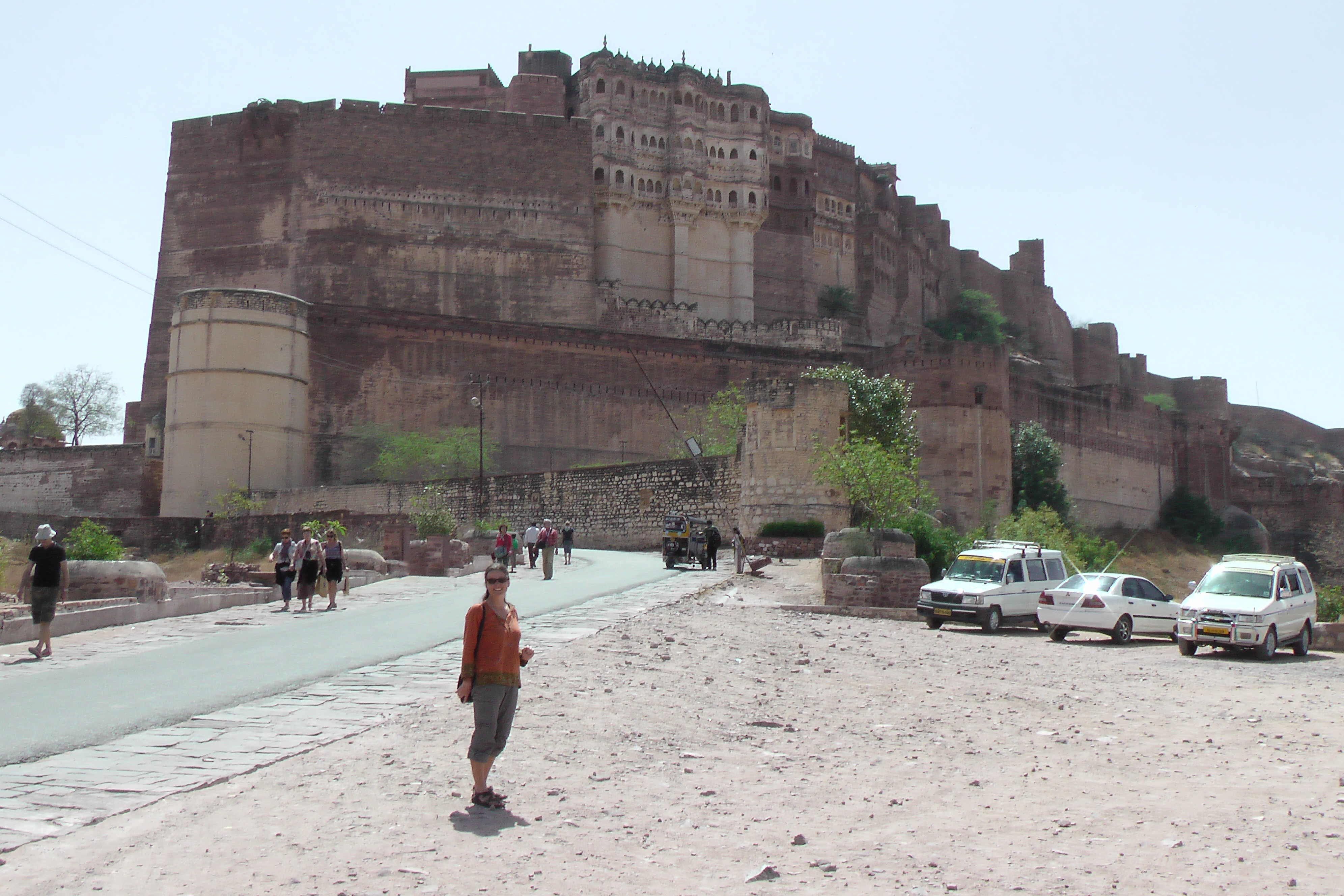
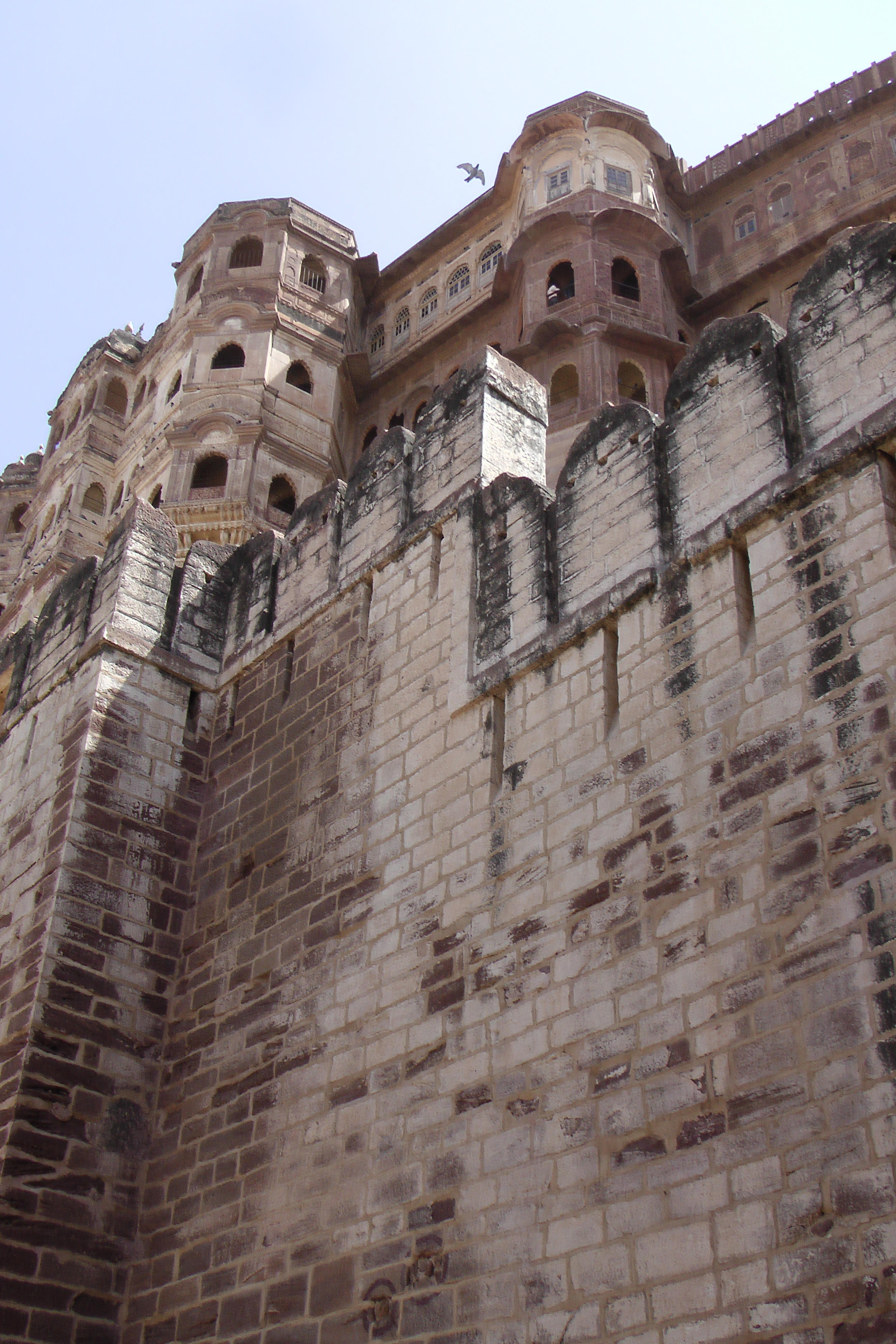
Outside the Mehrangarh fort.

The fort's administration is still run by the descendants of the local Maharaja.

The fort is made up of intertwining palaces and courtyards, all built by
different rulers in different eras.

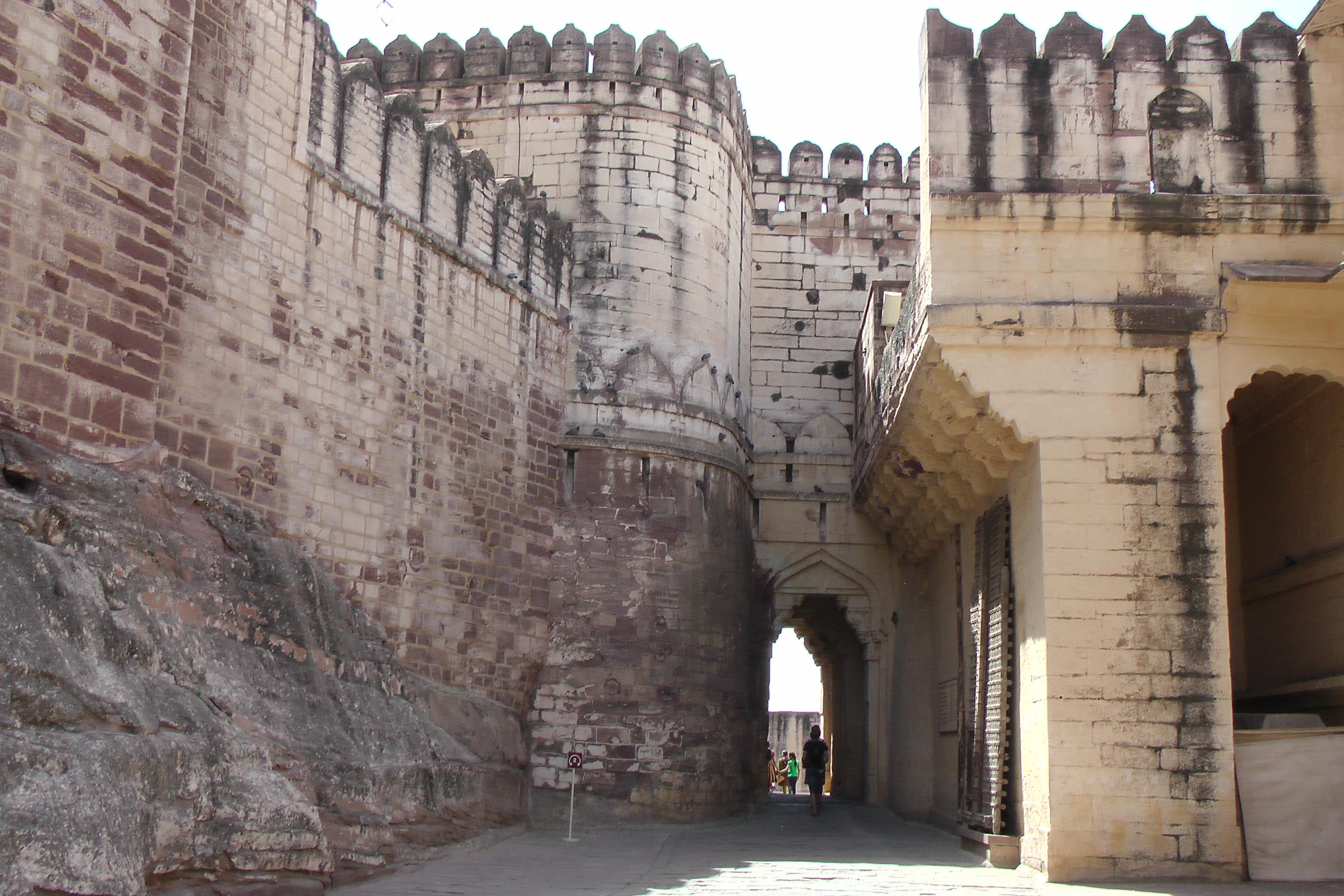
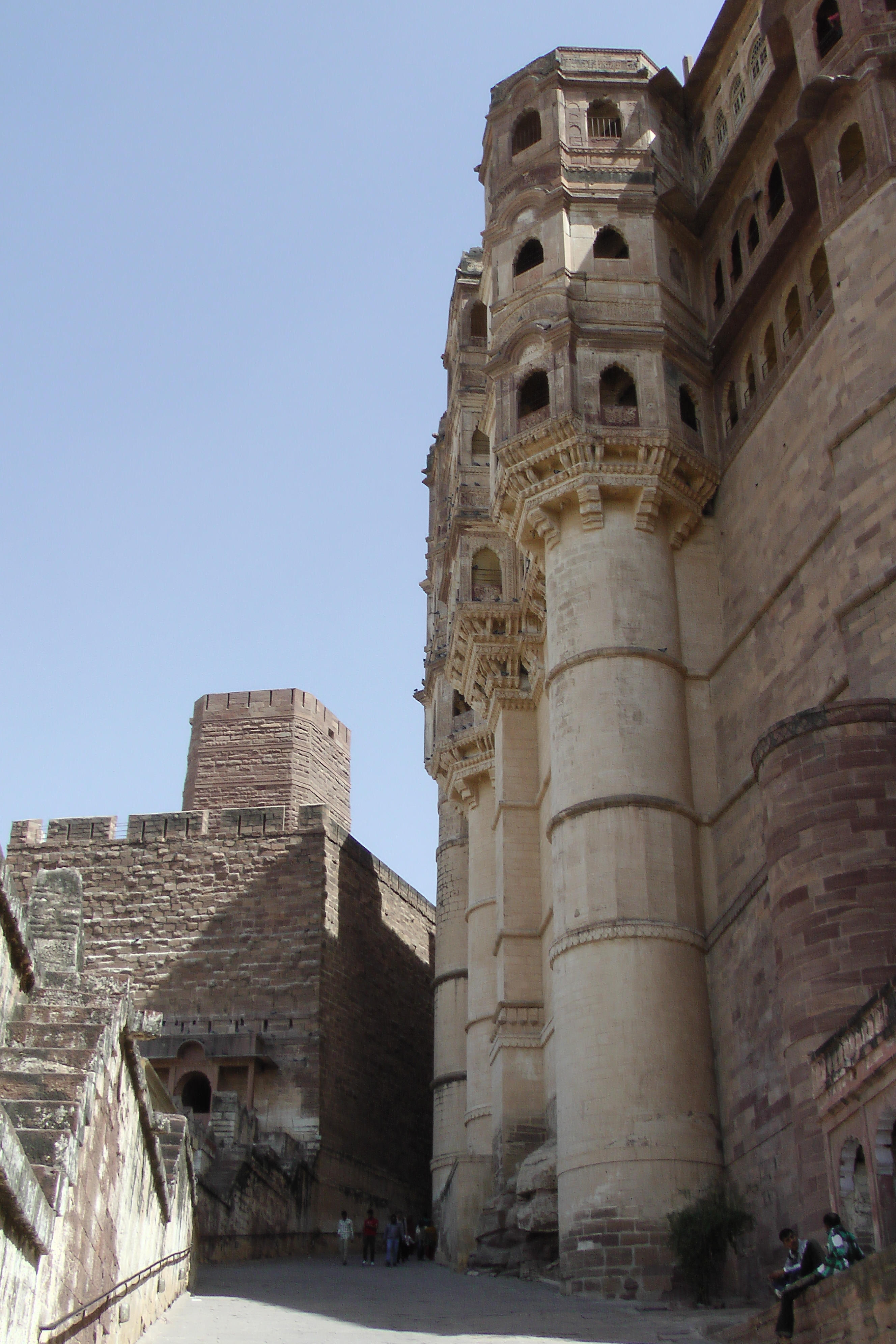
The narrow avenue leading to the fort's gates twists around to prevent attackers
from being able to run up with gate-bashing equipment.

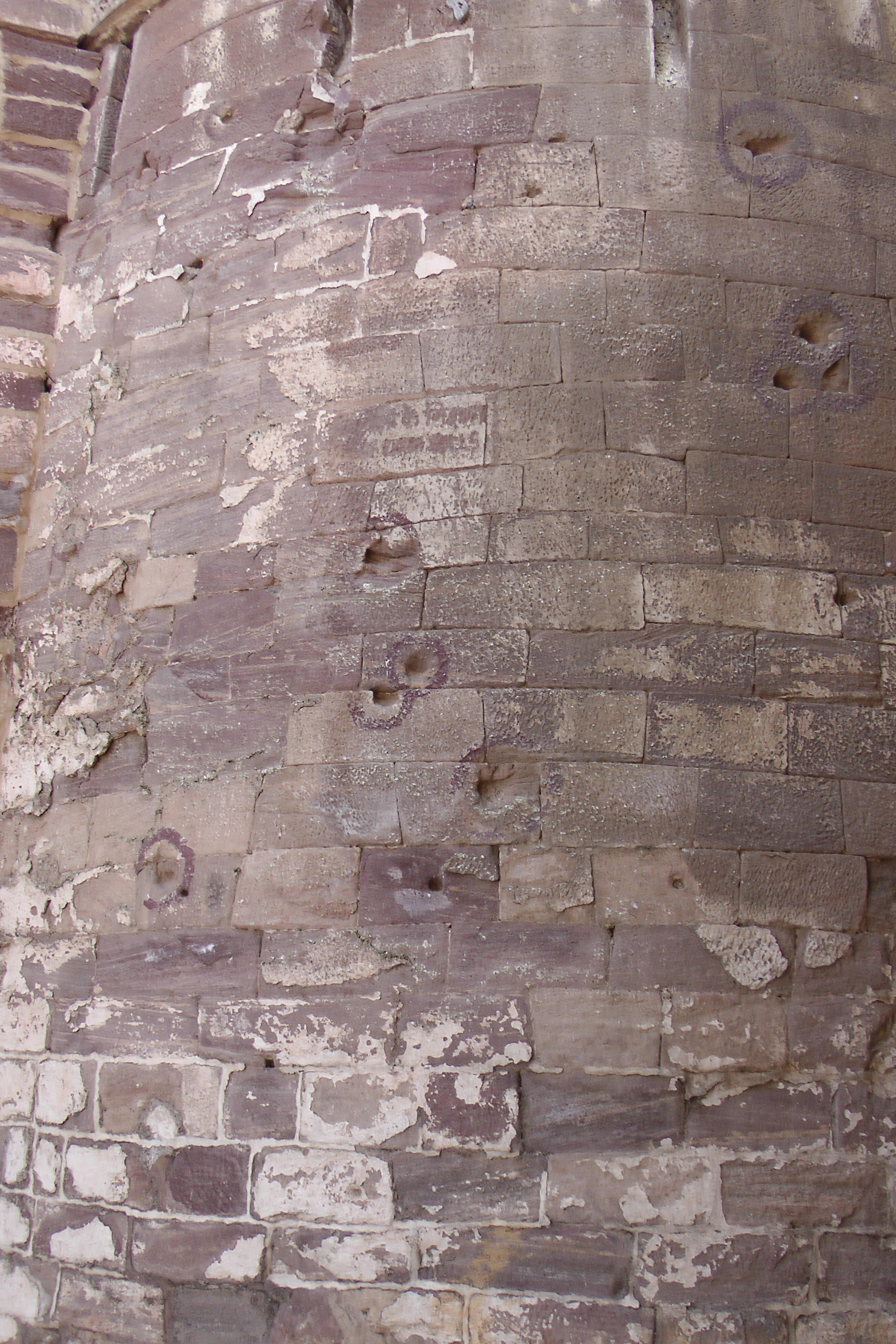
You can see cannonball scars from an ancient attack.

The wall builders weren't fooling around.

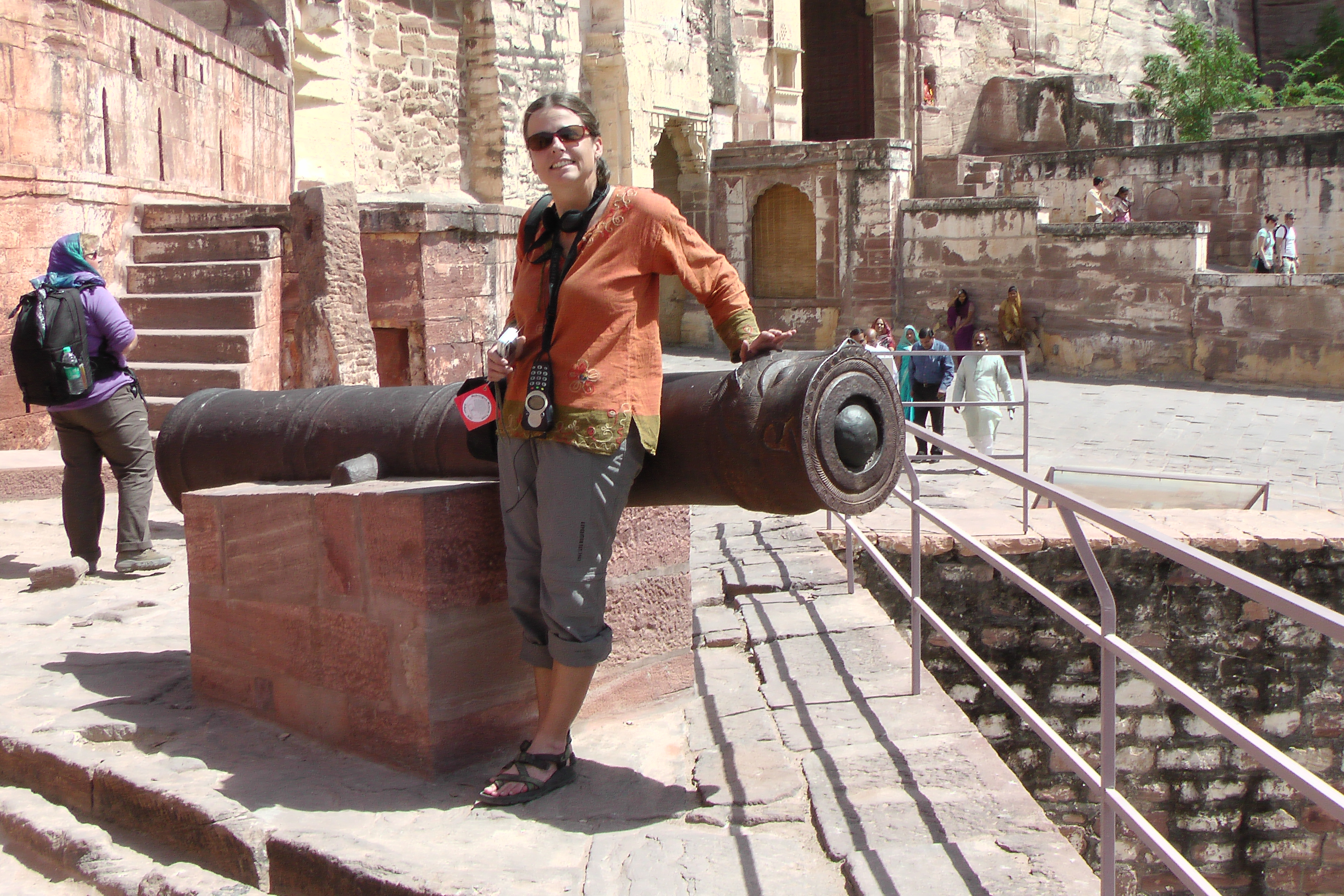
Gretchen and our favorite cannon. Some of the cannons were spoils from different
wars.

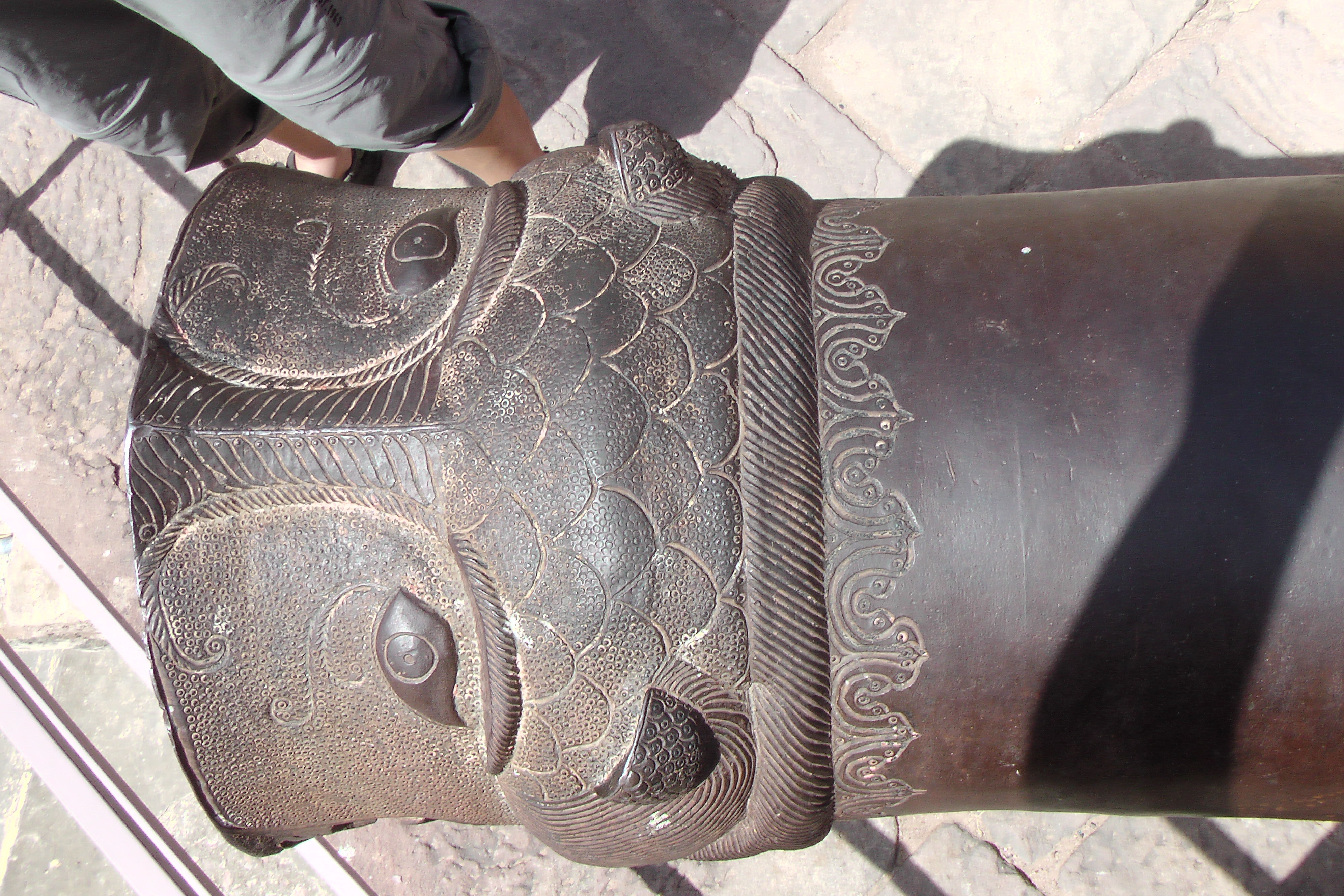
The cannon's mouth is carved like a lion.

It's quite a hike to even enter the fort.

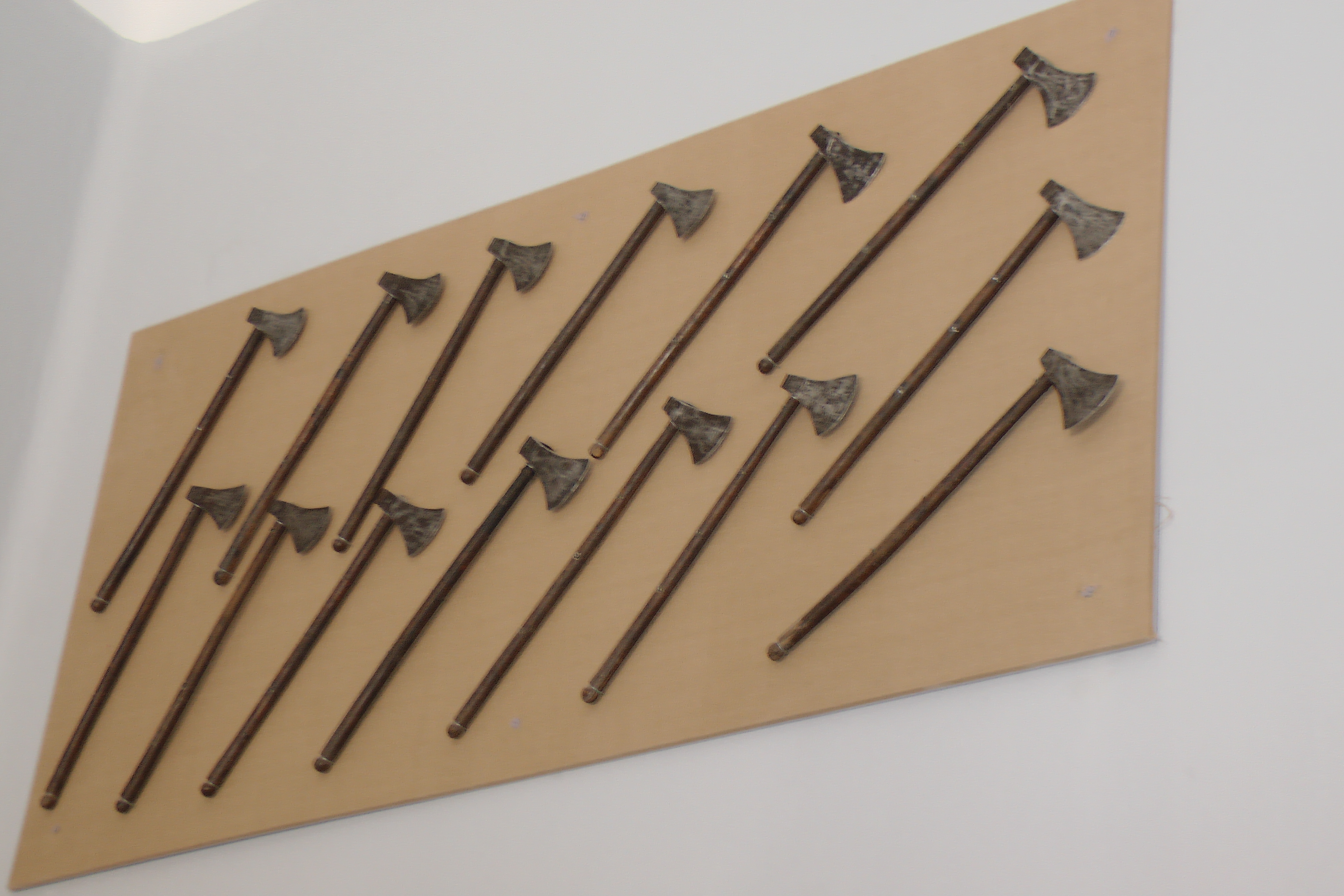
Everyone needs a collection of battle axes.

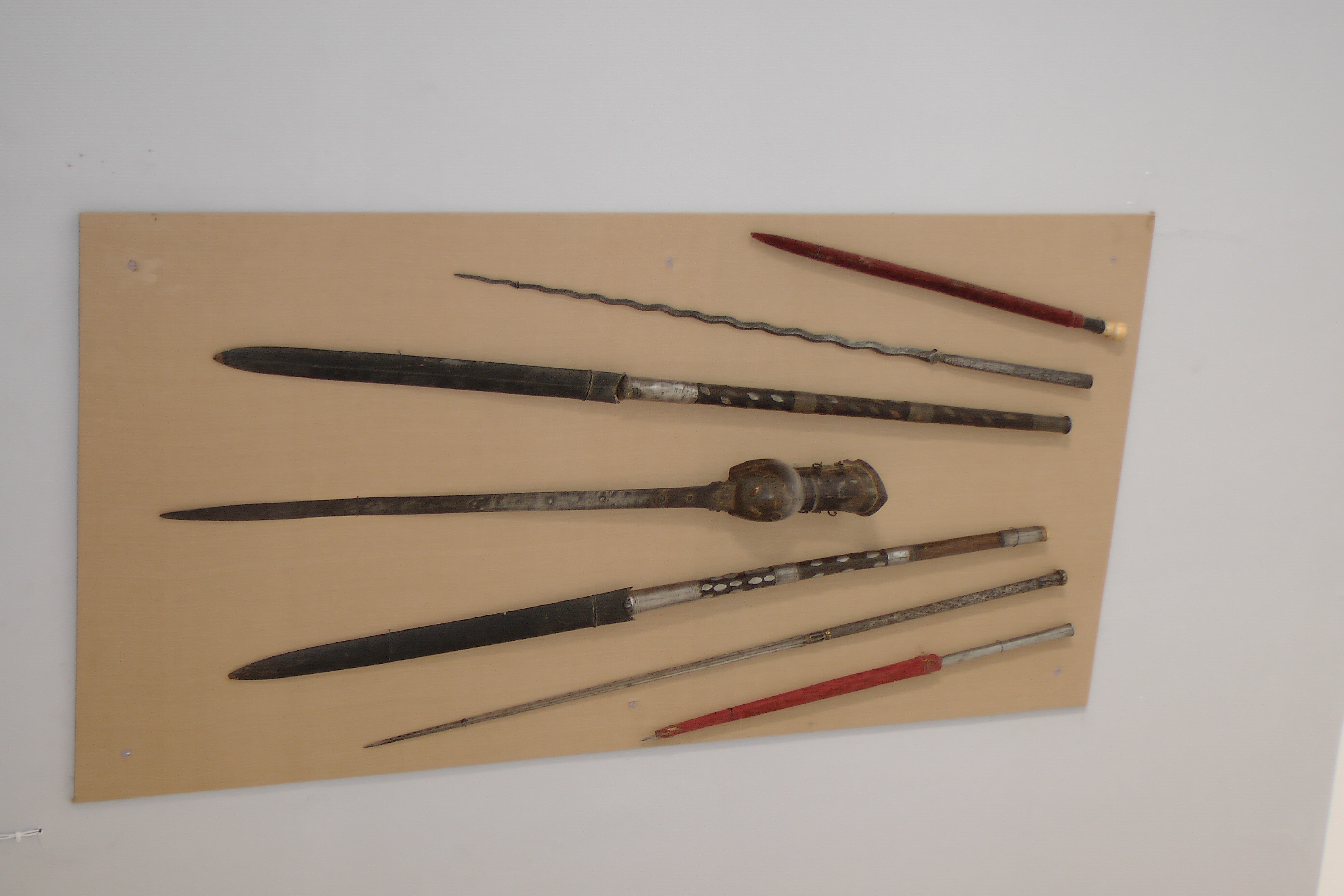
Spears and lances from olden days.

Black powder flintlock rifles.

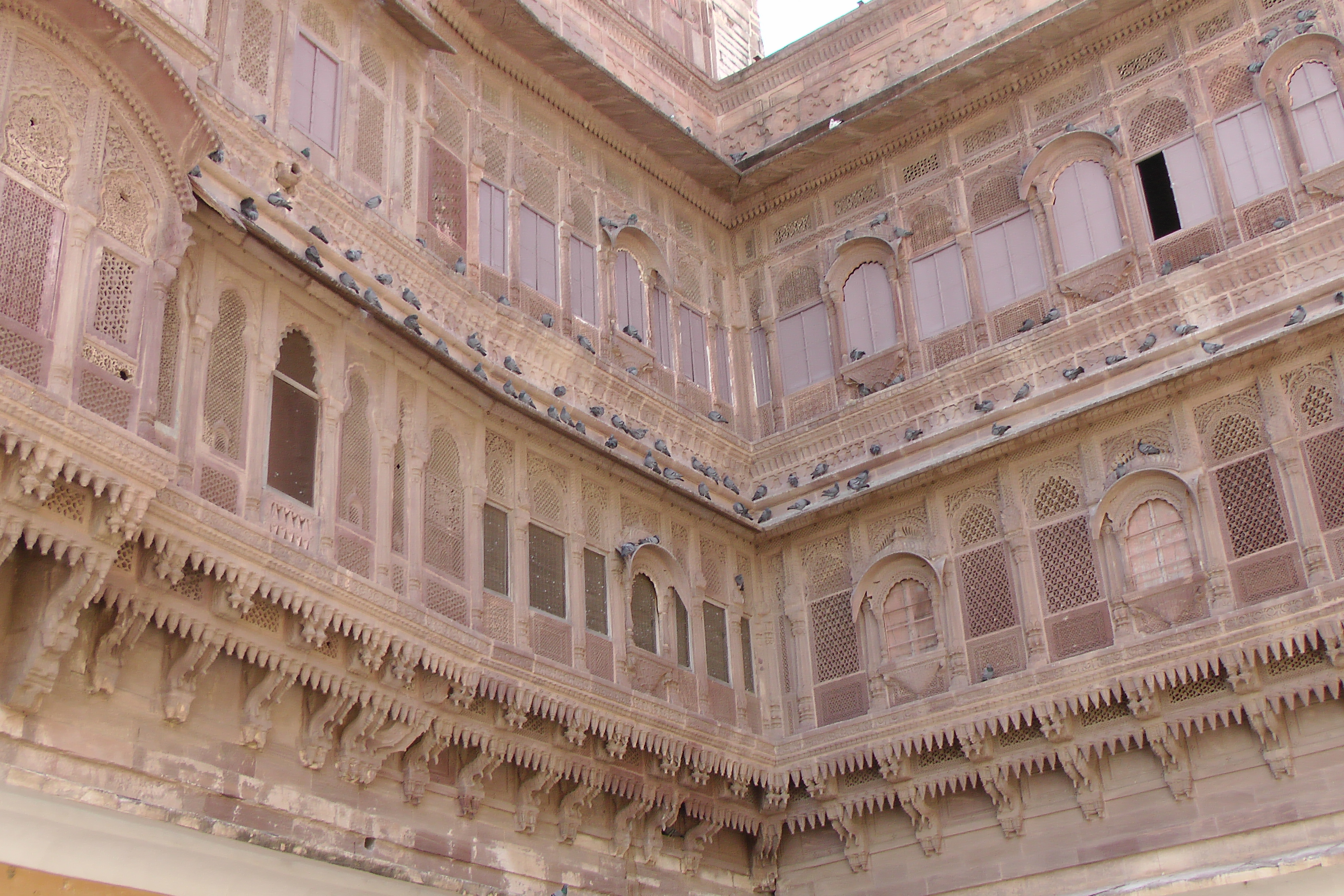
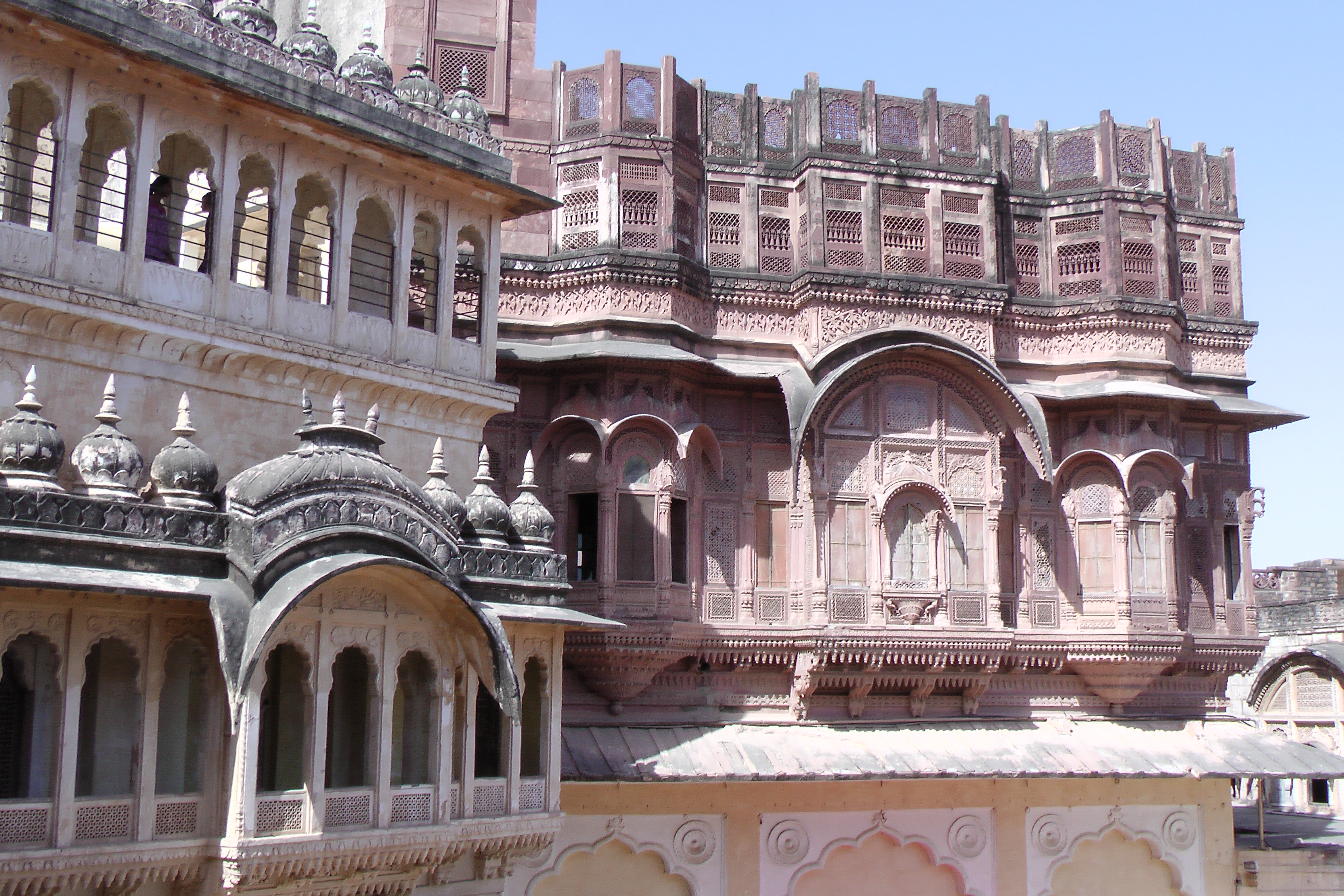
Lattice windows of the zenana.

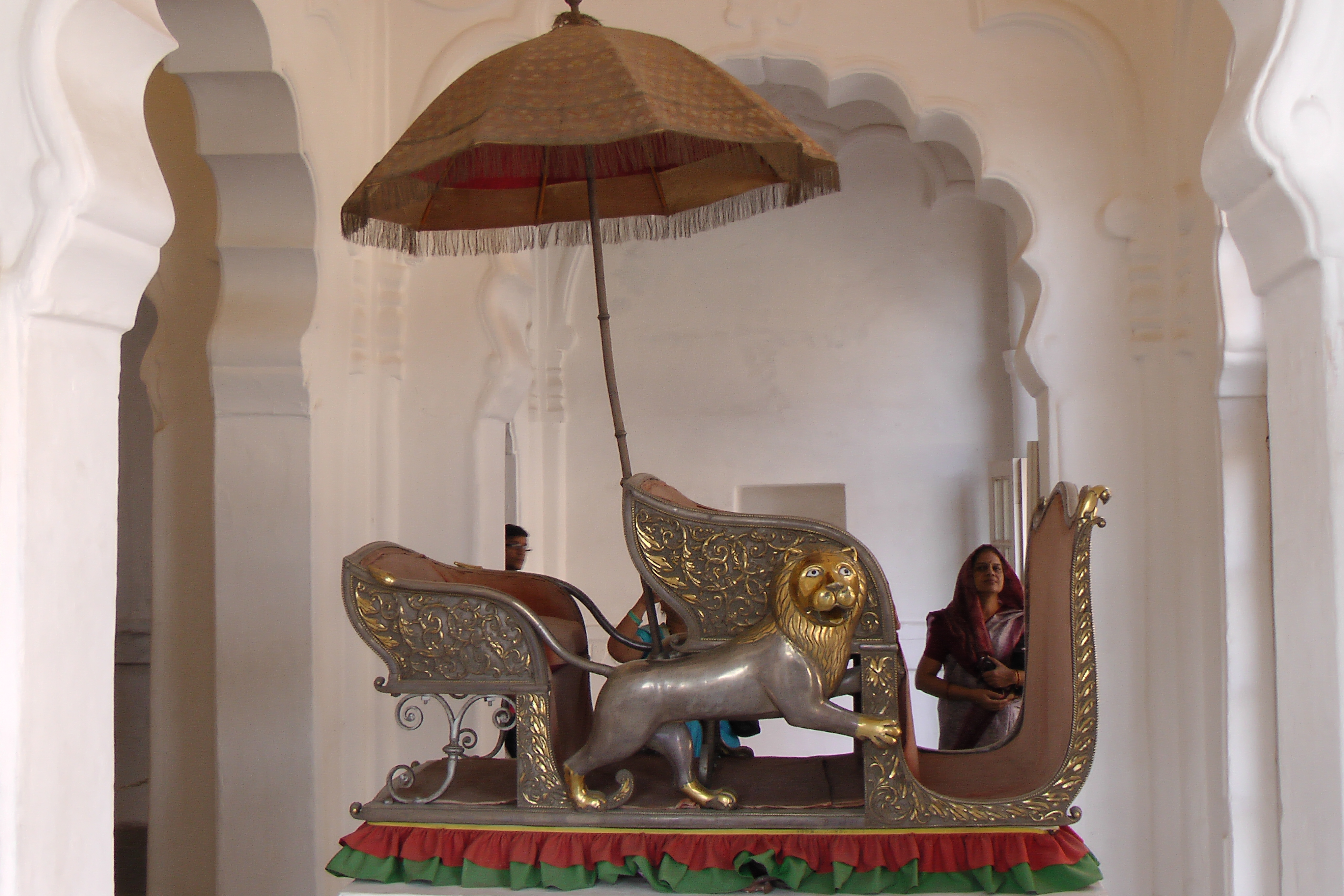
This gorgeous lion carriage and its nifty gold umbrella is called a howdah. It
sits on top of an elephant. Those Maharja knew how to travel in style!

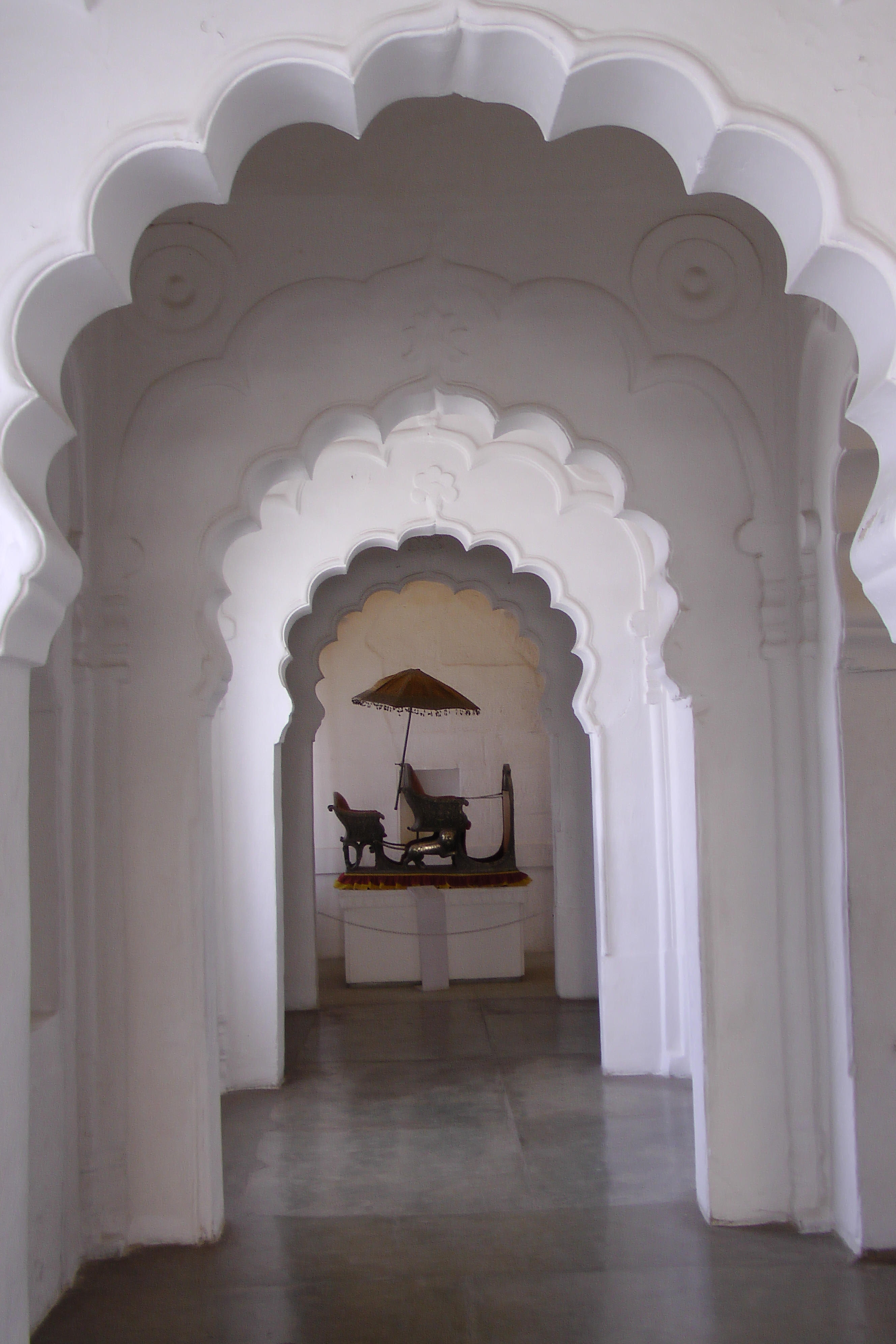
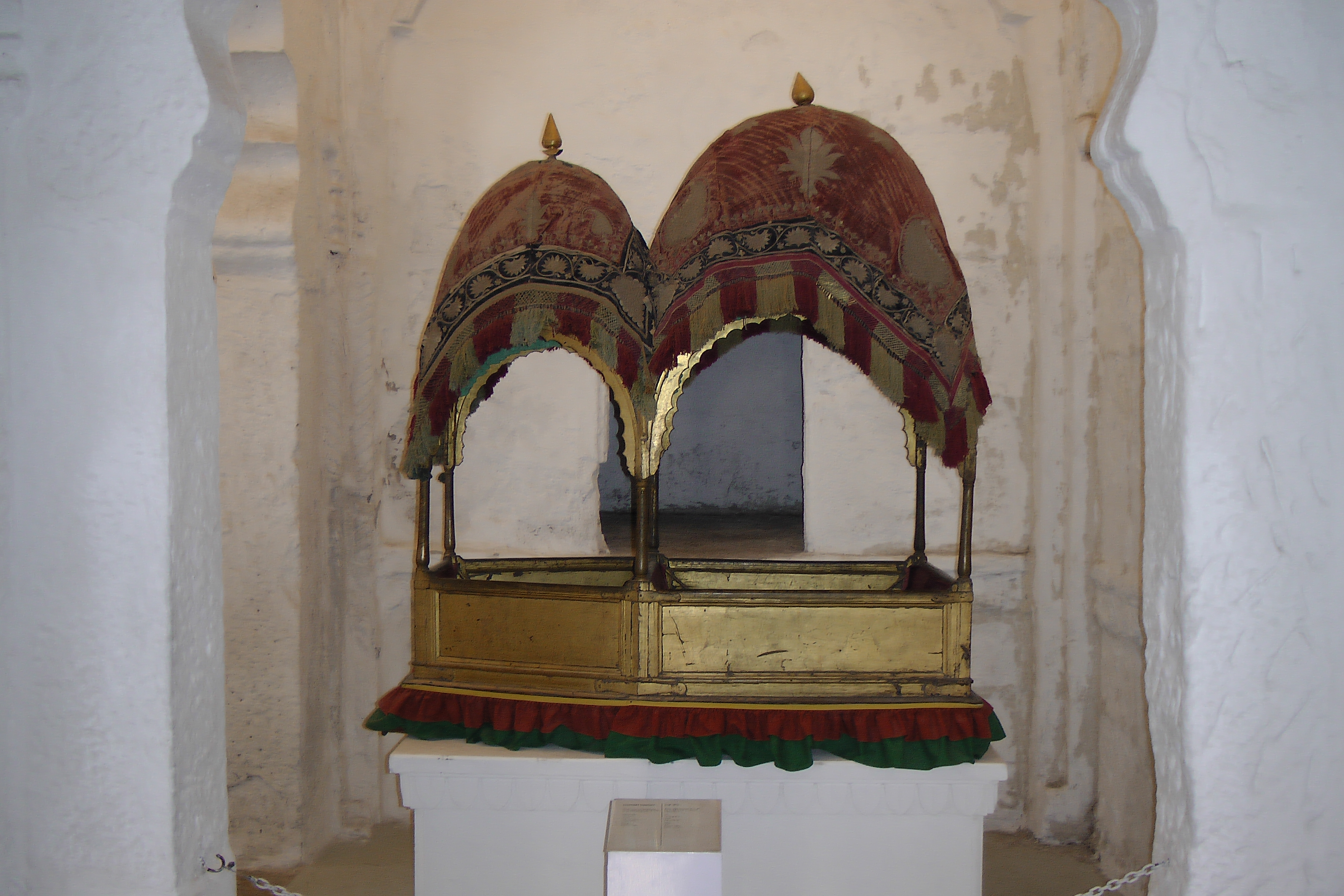
Another howdah, looking elegant.

You couldn't help but feel fancy riding in one of these.

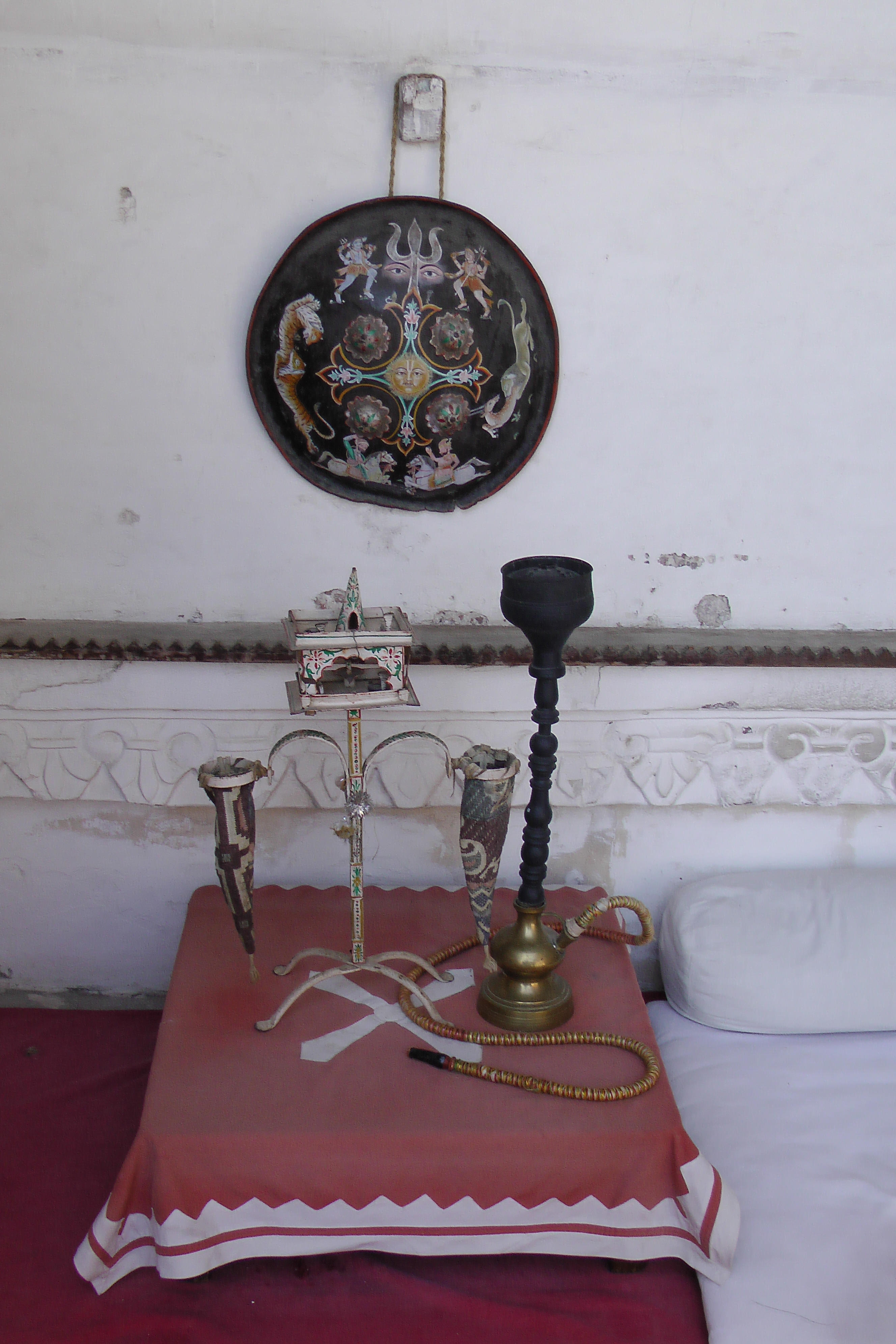
The hookah pipe. I believe this one is still in use.

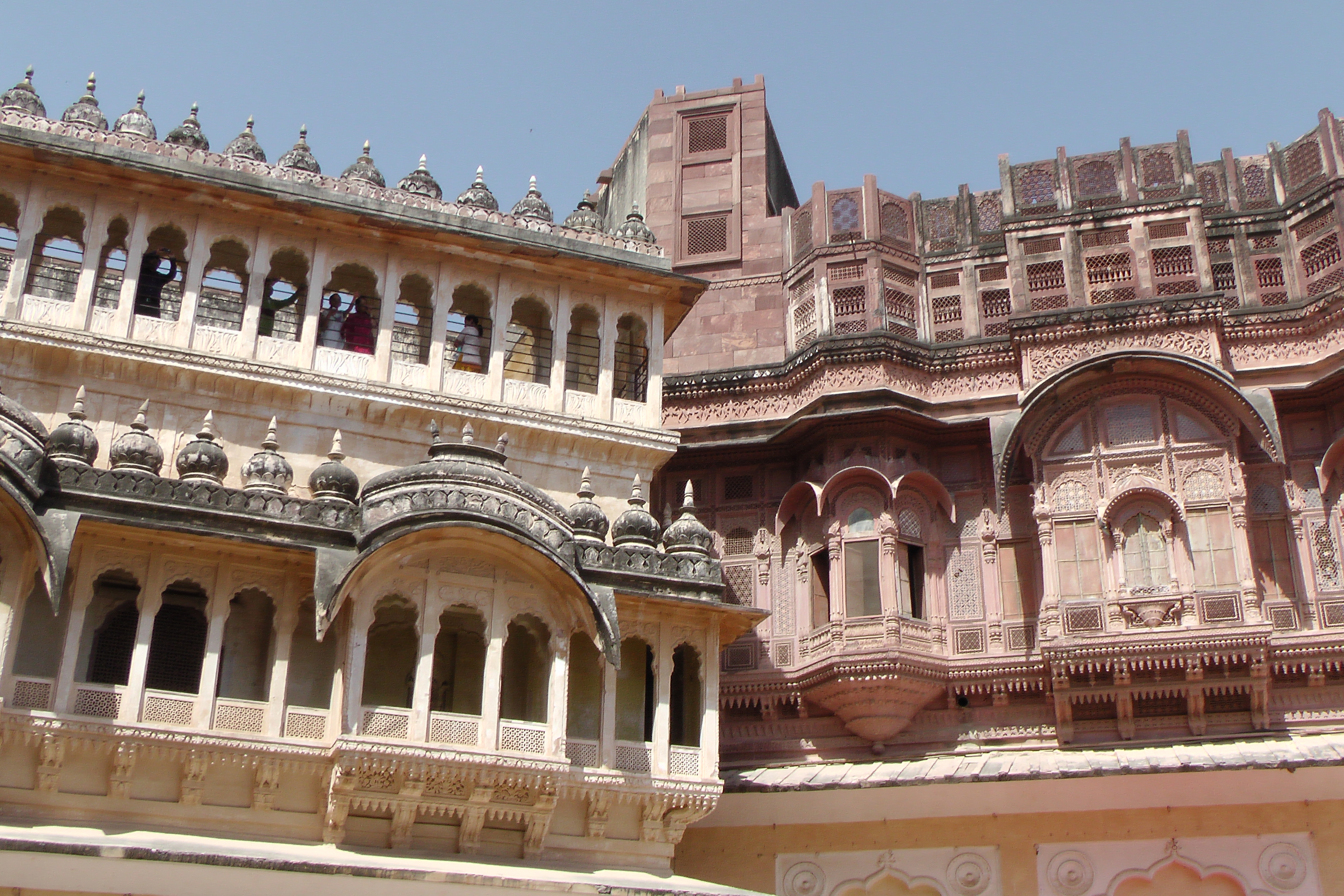
You can see that the balconies were built at different times using different
types of marble.

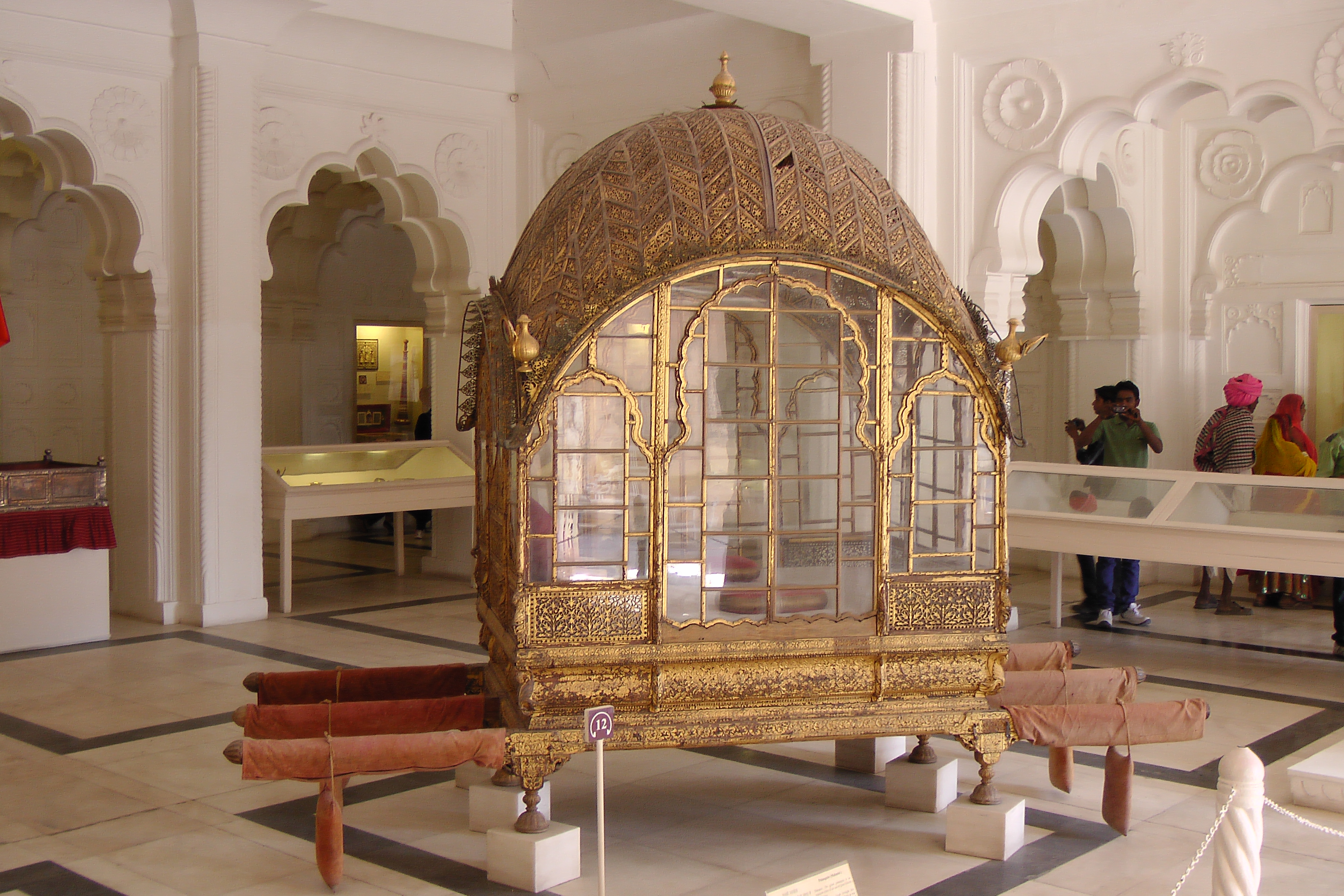
This elaborate gold howdah was taken as a war trophy.

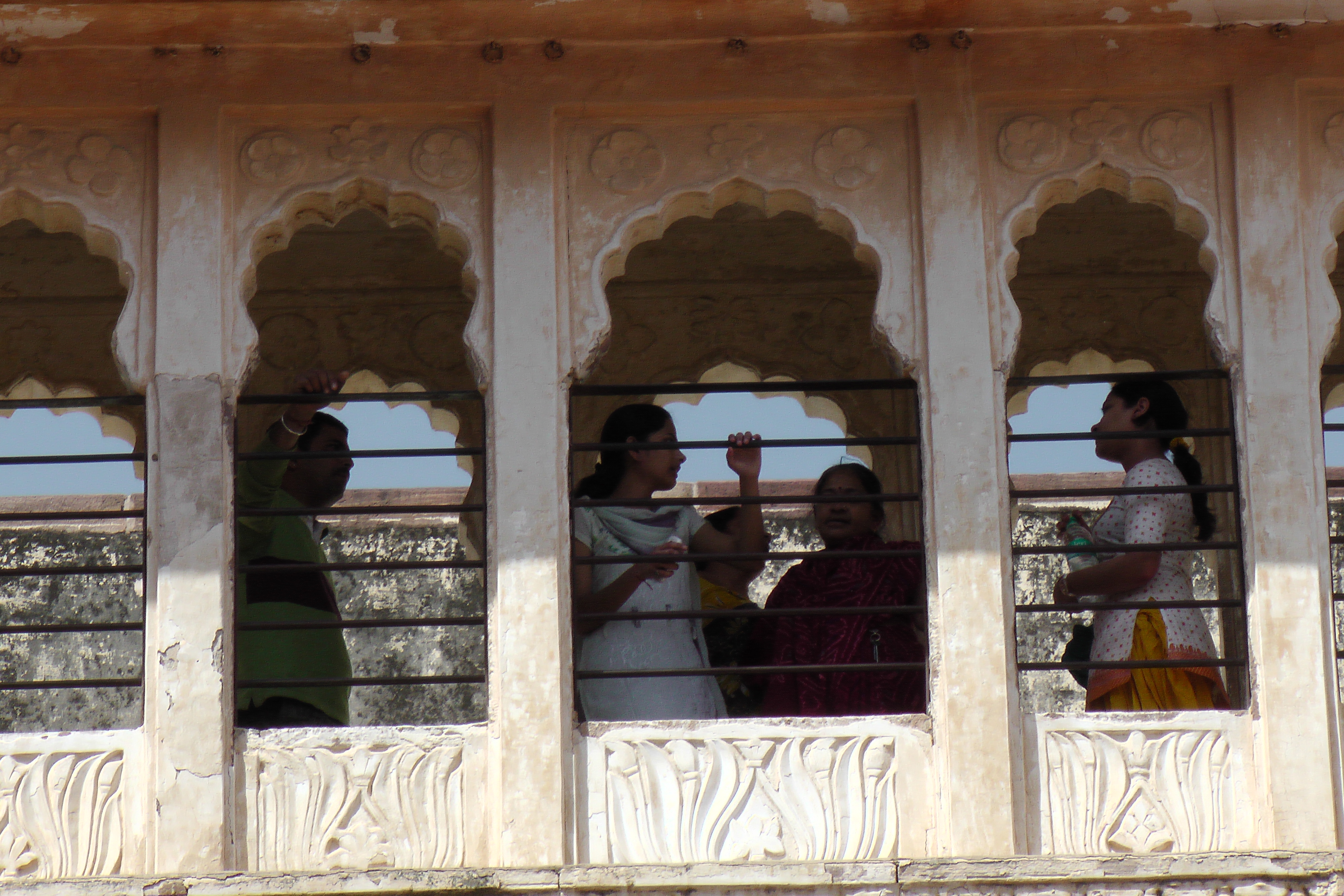
The open balconies are for the men. The covered ones are for the ladies.

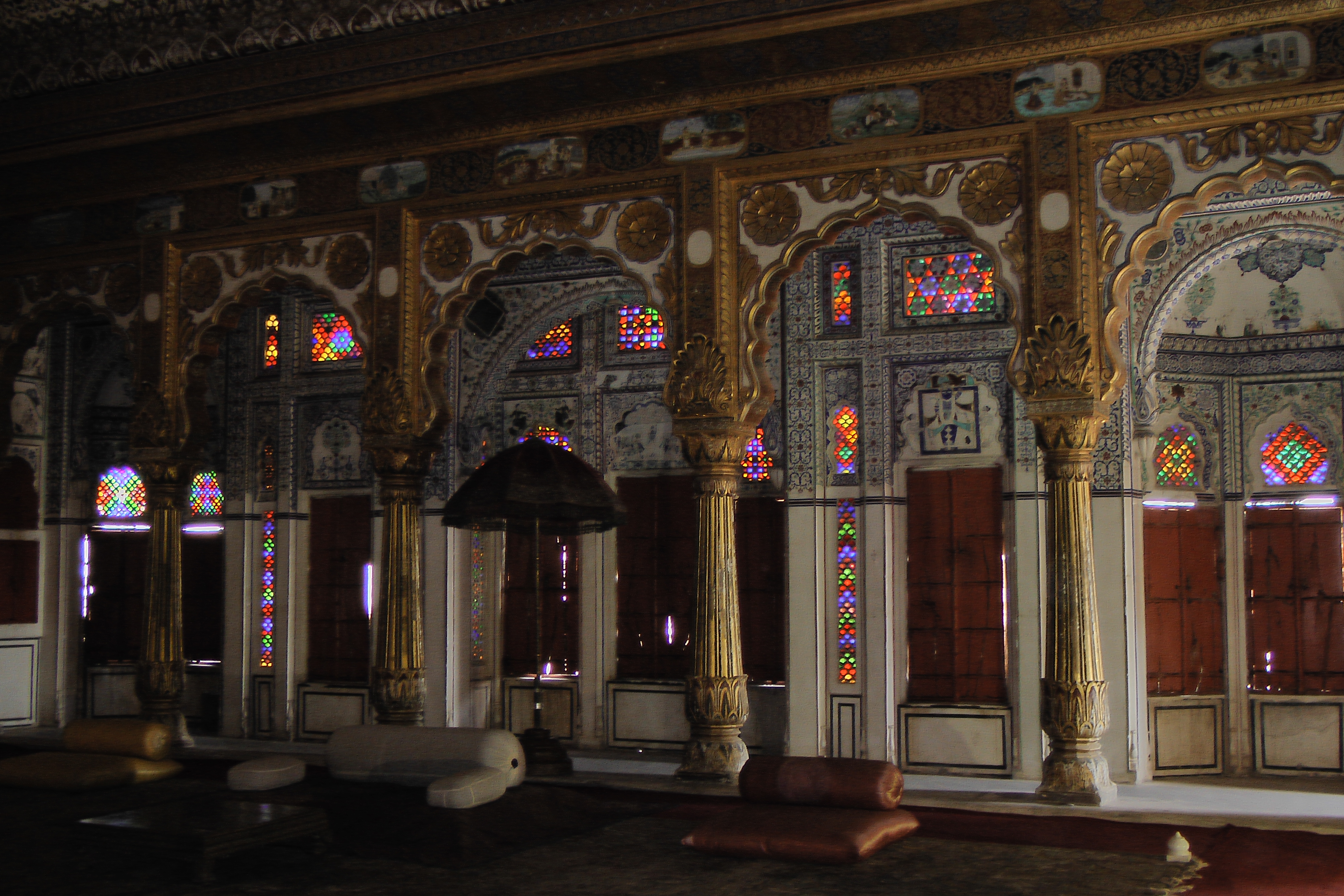
The prettiest room in the palace.

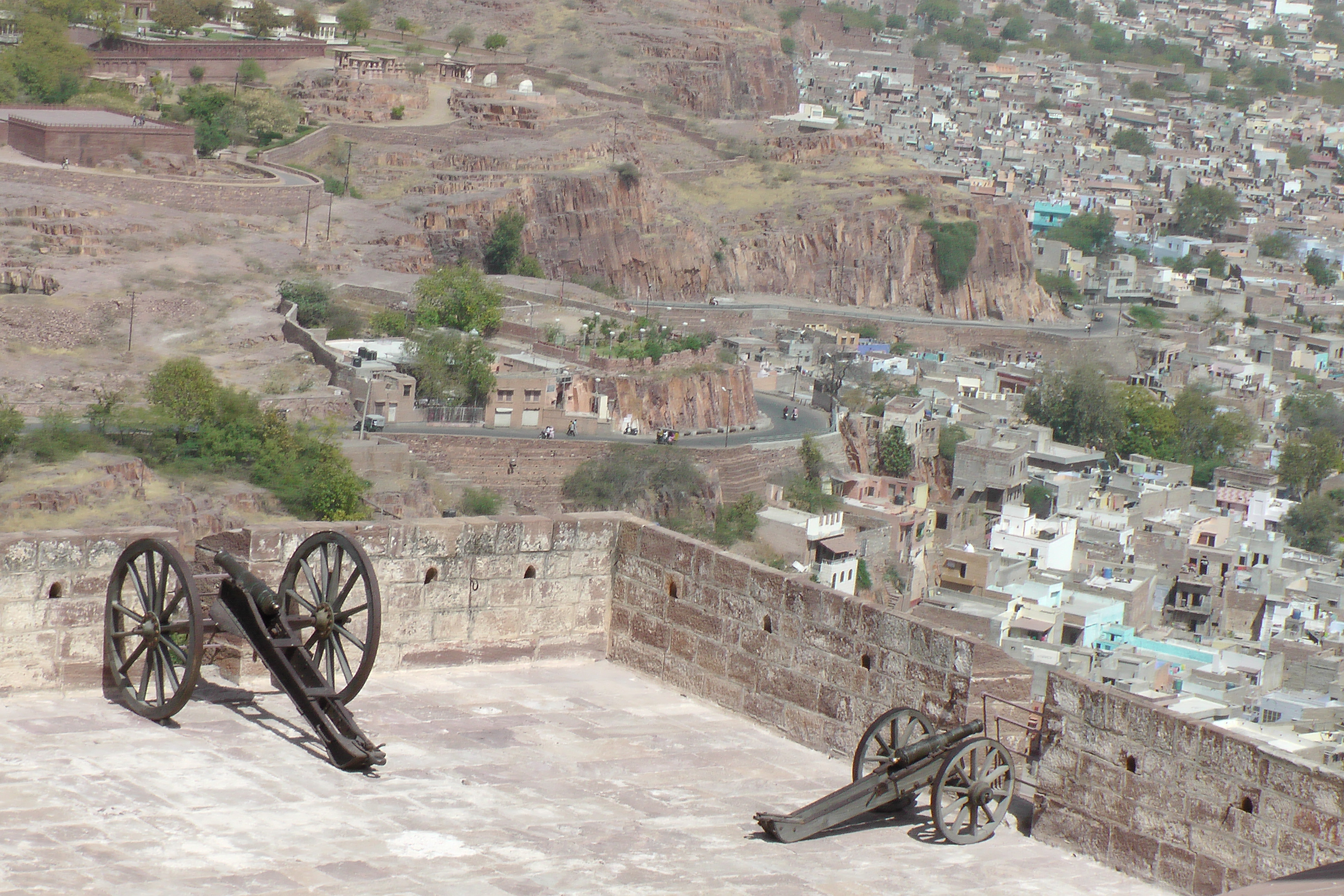
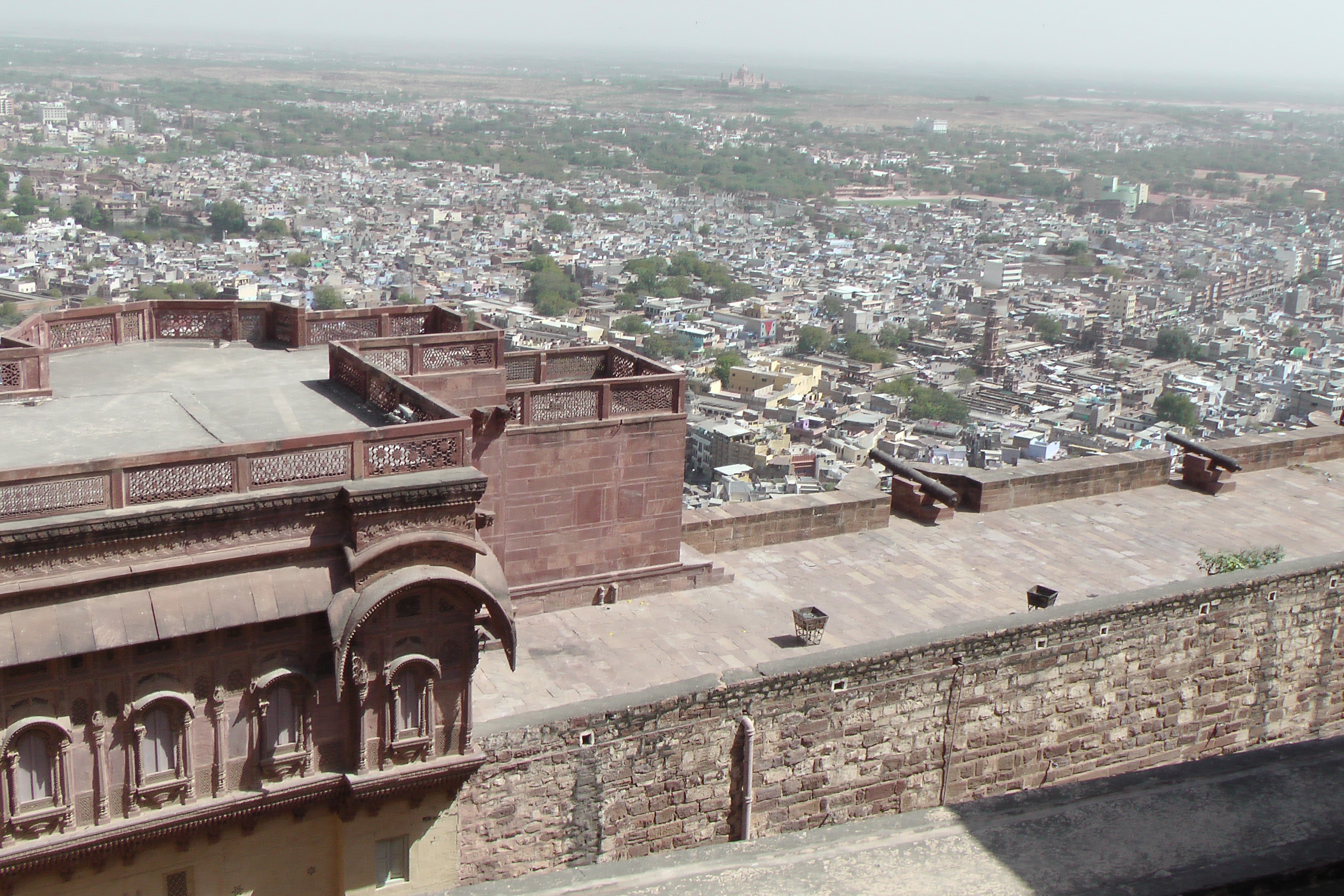
Cannons at the ready.


The view of the city from the walls.

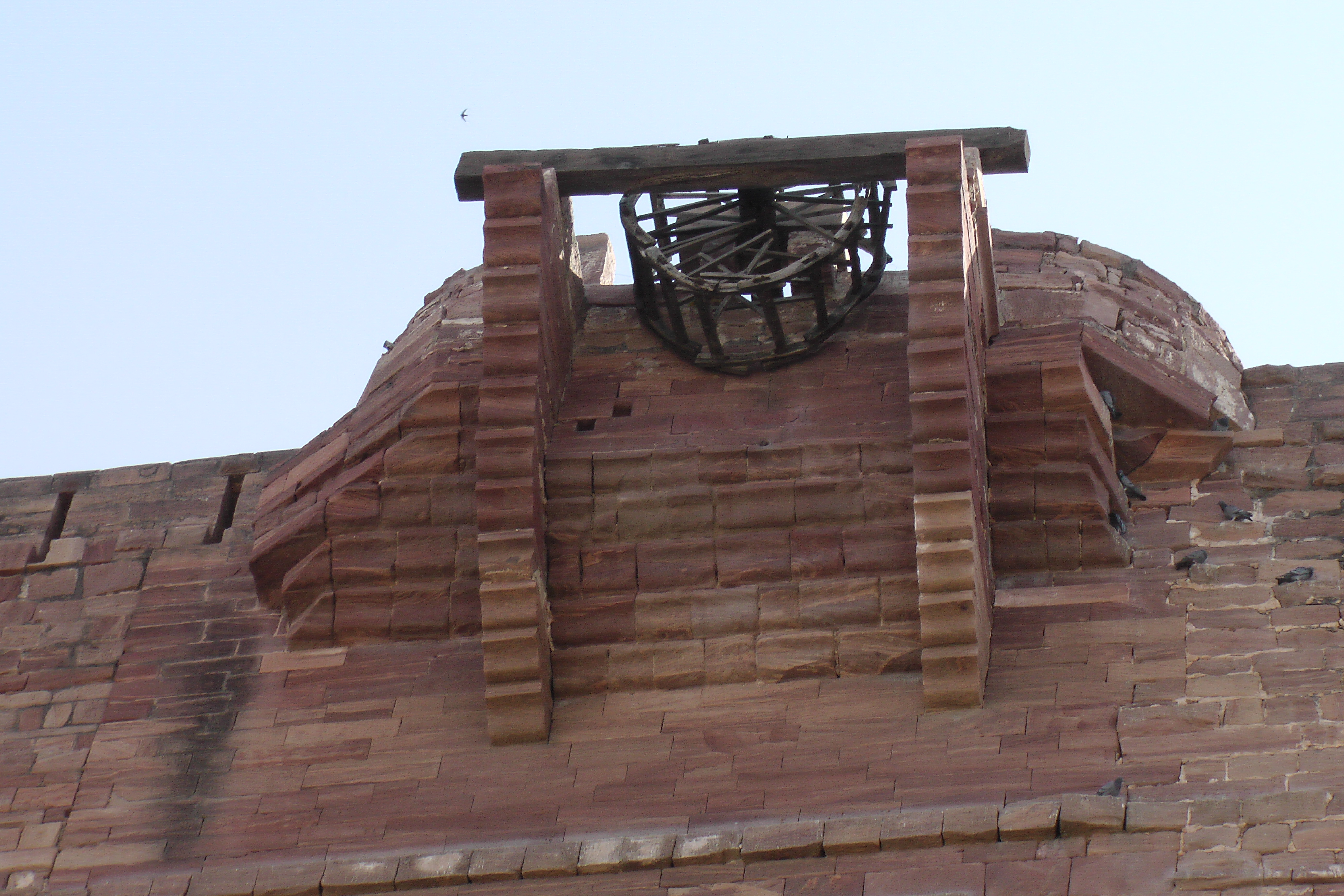
There was a water wheel system that somehow carried running
water all the way up the hill.

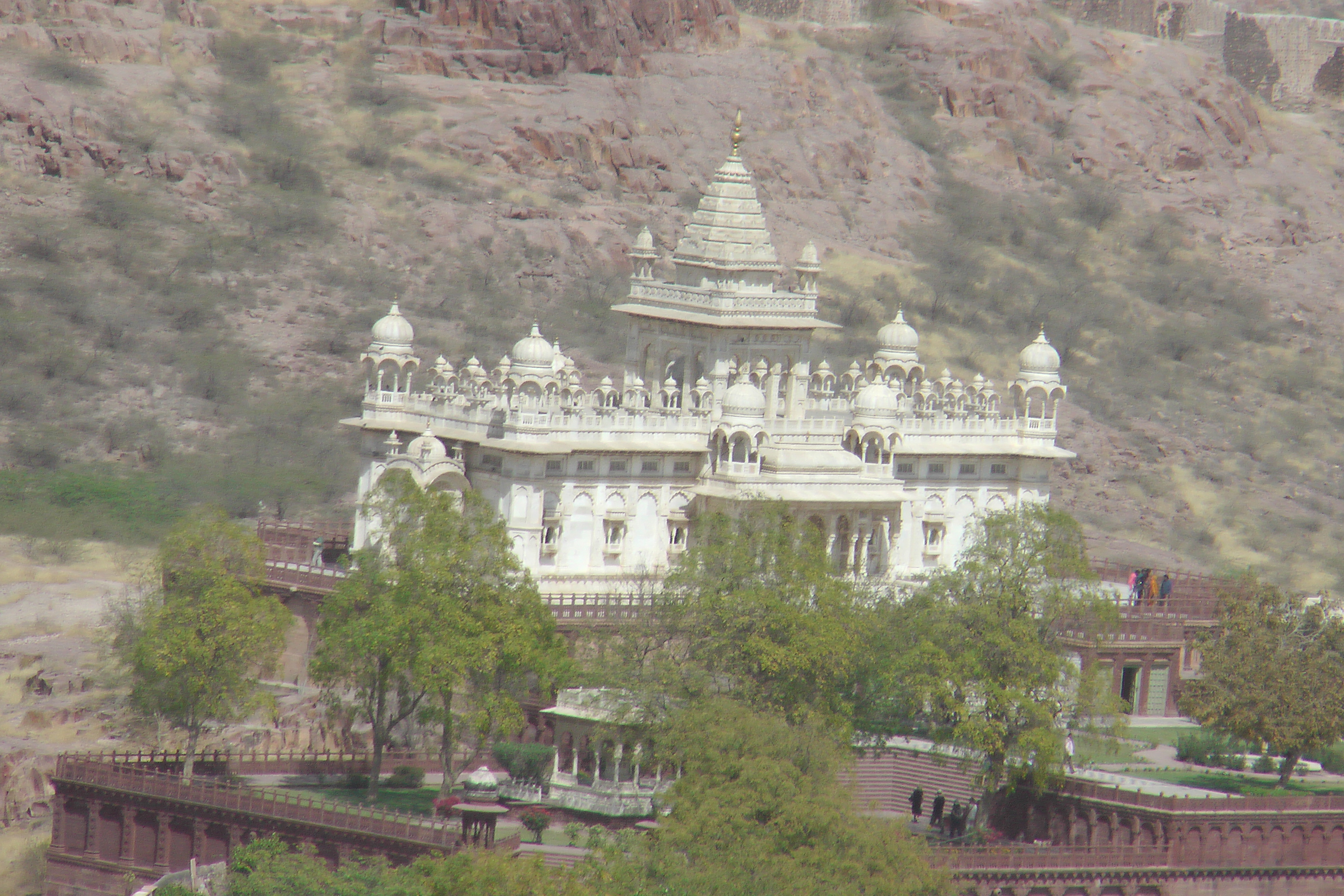
Jaswant Thada. This white marble cenotaph is the tomb for the
remains of royalty.
|