Rajasthan border to Chandigarh, Punjab, India
Photo,
Pictures of, Images, Picture
(March 2012) |

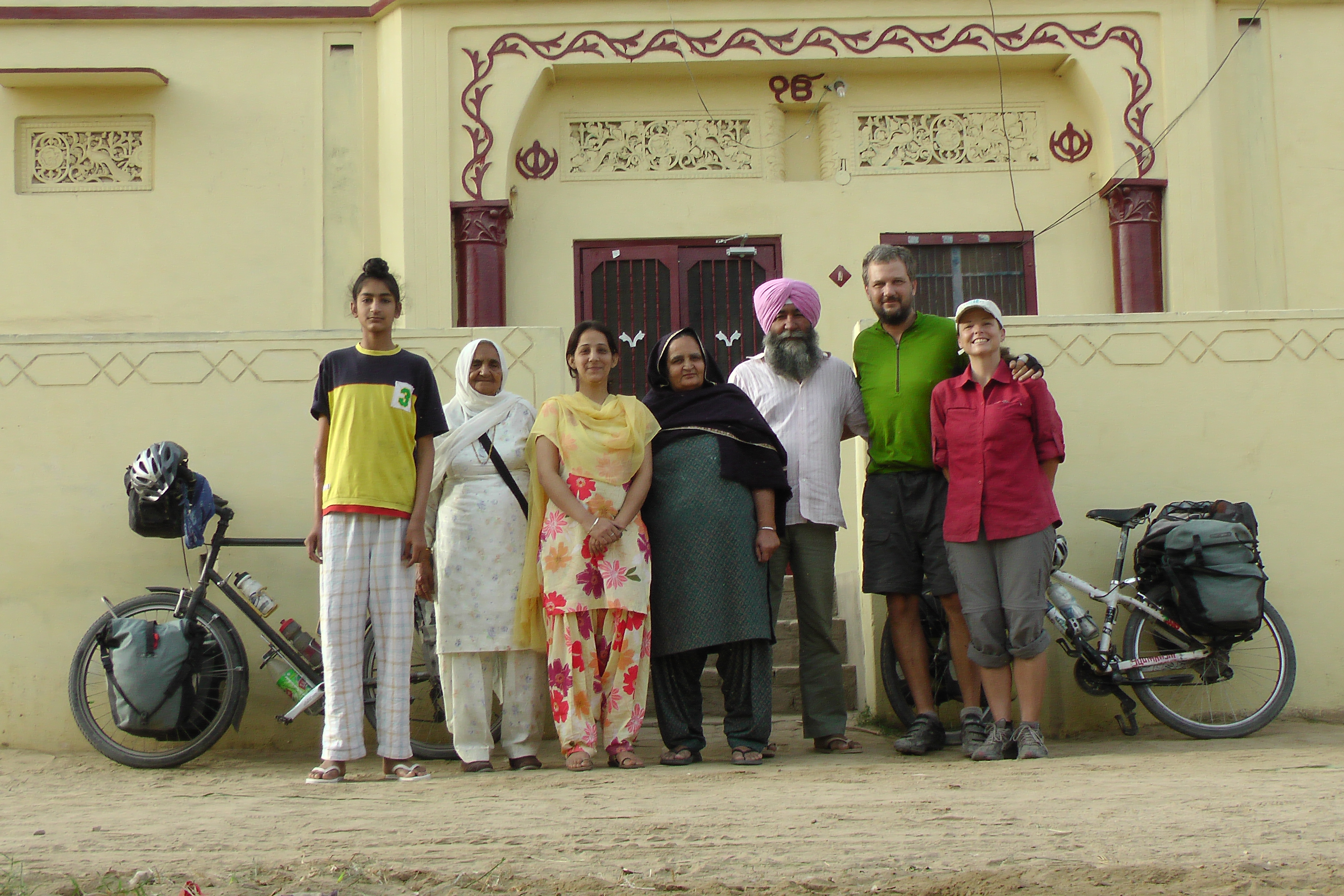
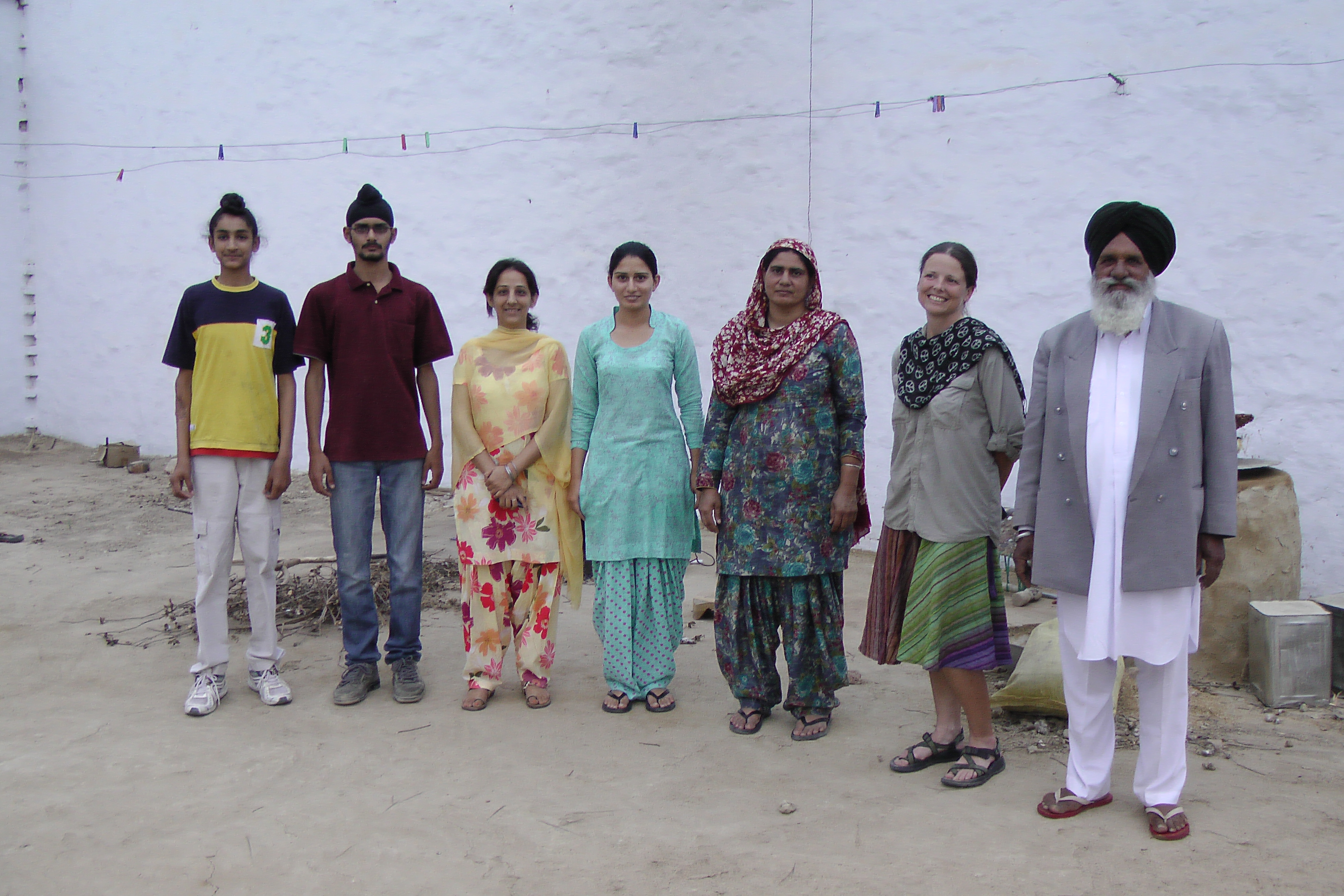
We were invited in to spend the night by the man in the pink turban and his
family. He owned a farm growing cotton, wheat, and oranges. After
touring the farm and learning all about the irrigation system, we spent the
evening learning about the religion of Sikh. This was some very valuable information because we
plan to spend the next
couple weeks crossing this state, camping on the farms (some fields are flooded
overnight) and seeing the Sikh Temples. Kindness does not require a common
language.

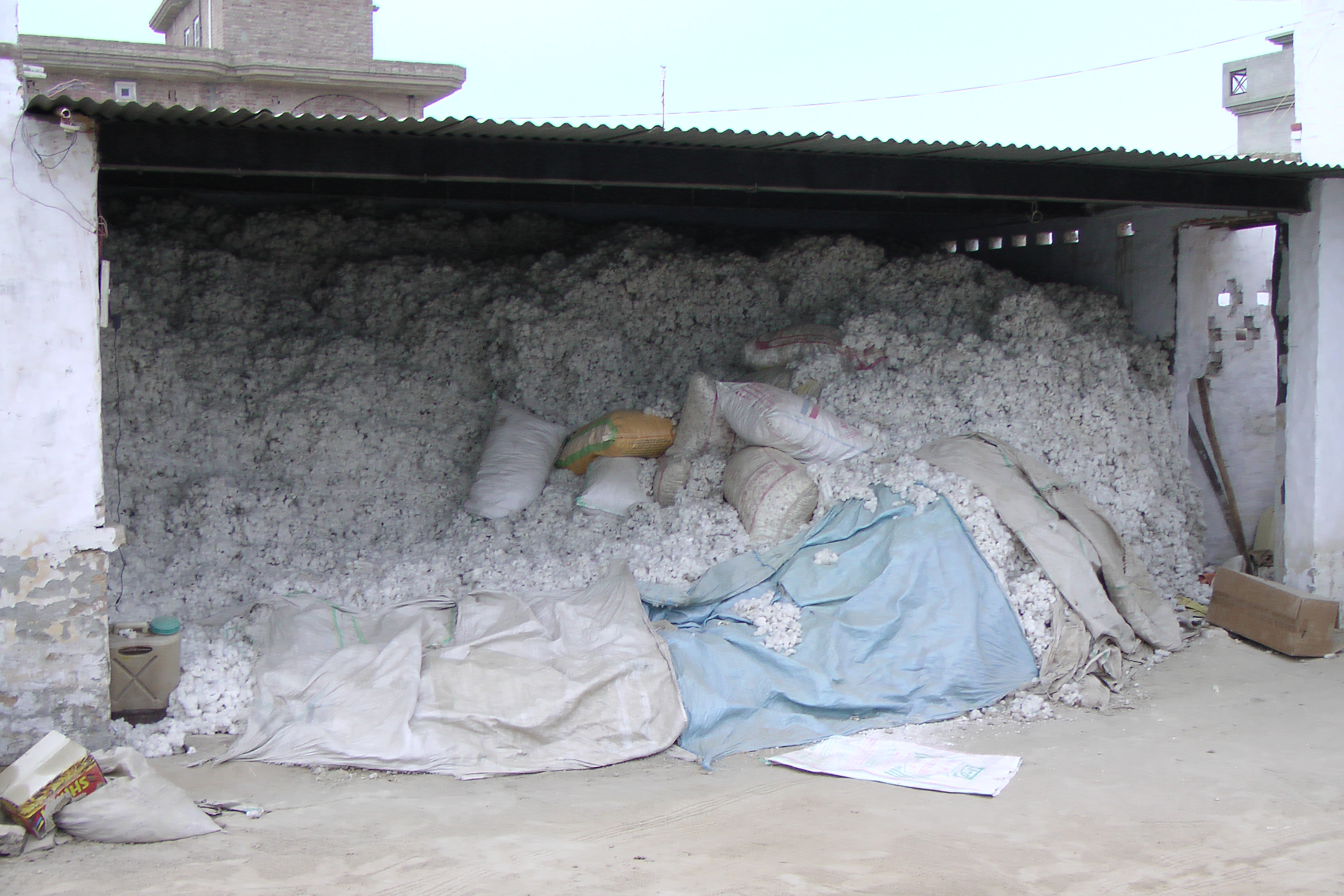
The cotton crop has already been gathered.

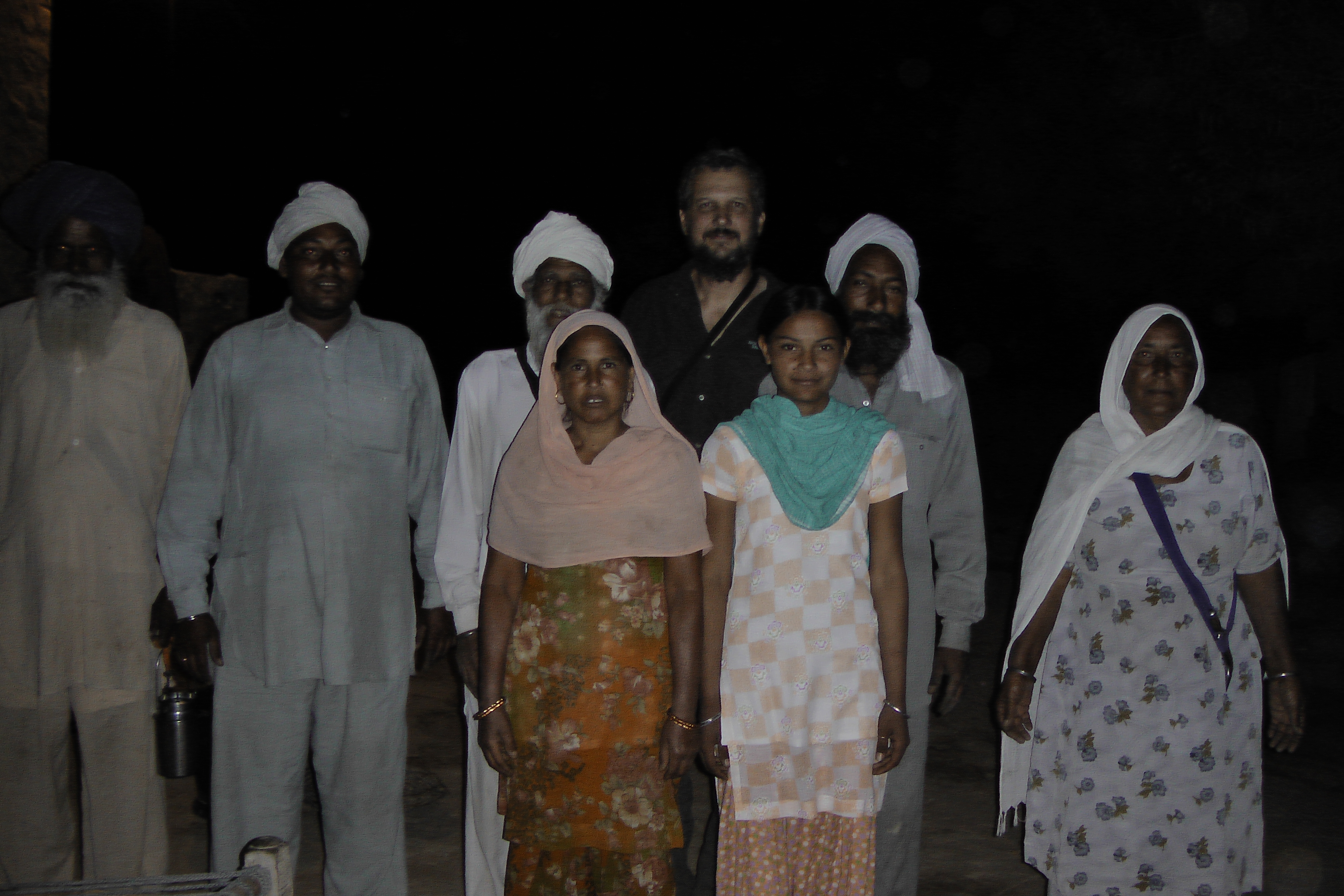
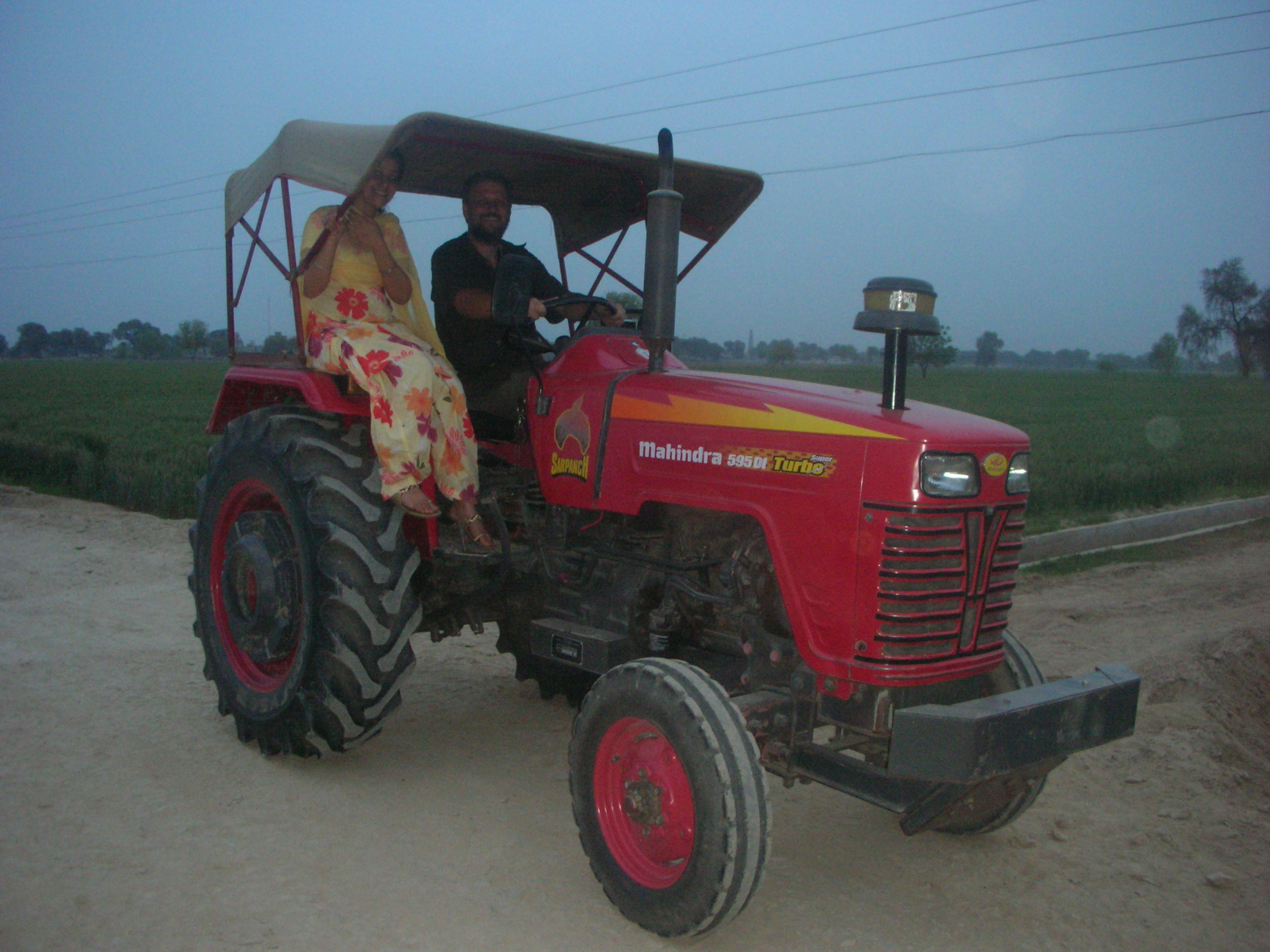
The farmer took us for a ride on his tractor to visit his fields and the workers
who live among the crops. They all treat each other like family and were happy
to have us visit. When they heard I liked snap peas, they forced a 2-kilo bag of
fresh peas on us!

Tim drives an Indian tractor.

The teenage son at the left was our first translator. To his great relief, his
cousin, the young lady in the bright yellow flowered sari came later to take
over. She is an English instructor at the local college and happily translated
for us for the rest of our visit.

We kept hearing a tapping noise as we pedaled down the road and finally realized
it was some shy little woodpeckers. Gretchen stalked them for awhile but they
don't like being photographed.

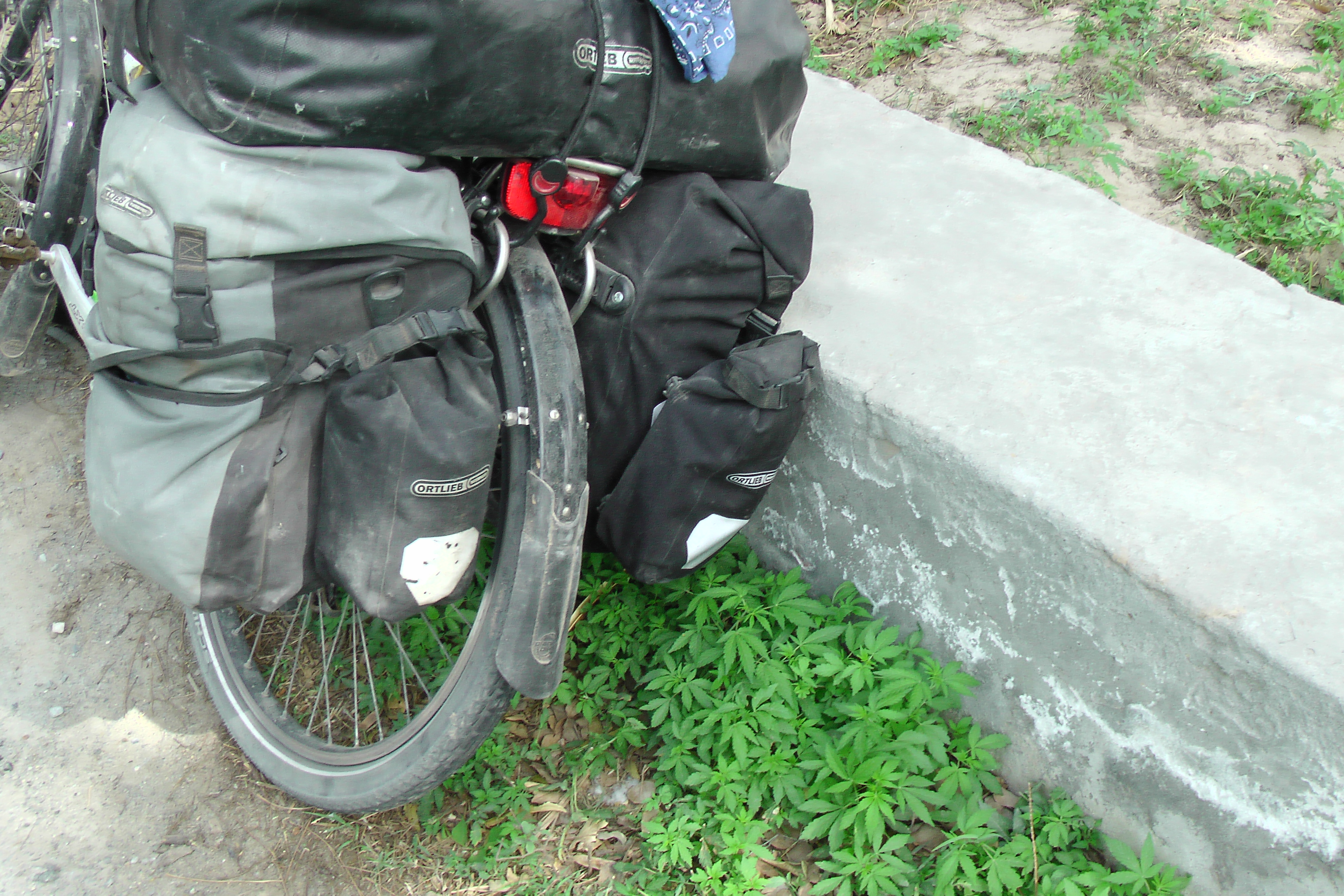
What's that smell? The roadsides of Punjab are full of marijuana plants!
Sometimes it grows wild and sometimes it appeared to be cultivated. We saw that
some people were feeding it to their farm animals, which might explain why those
water buffaloes look so laid back.

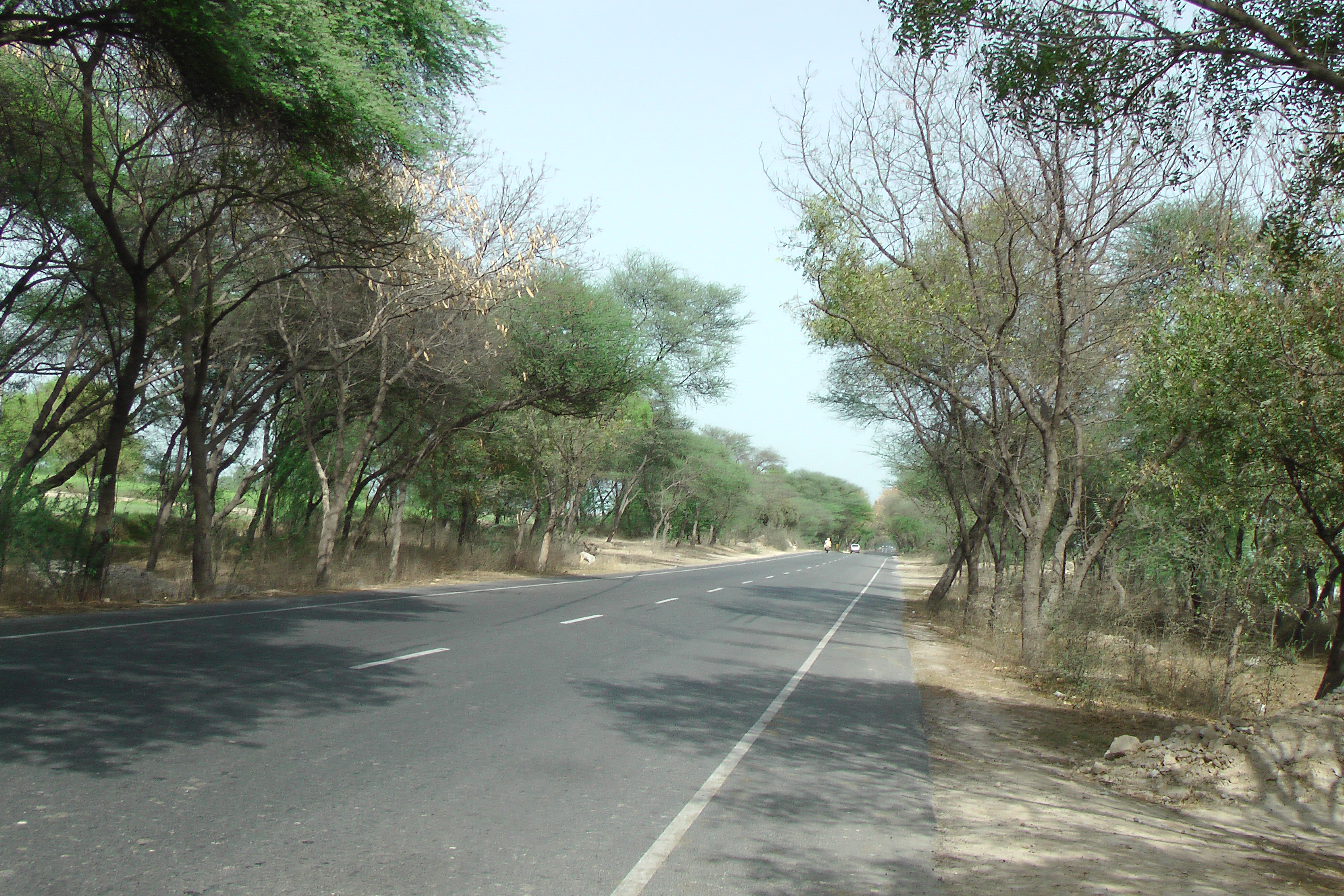
Having a shoulder on the road makes a huge difference for our riding safety. For
a few days we traveled on roads with no white line separating us from traffic,
which made for some terrifying close calls.

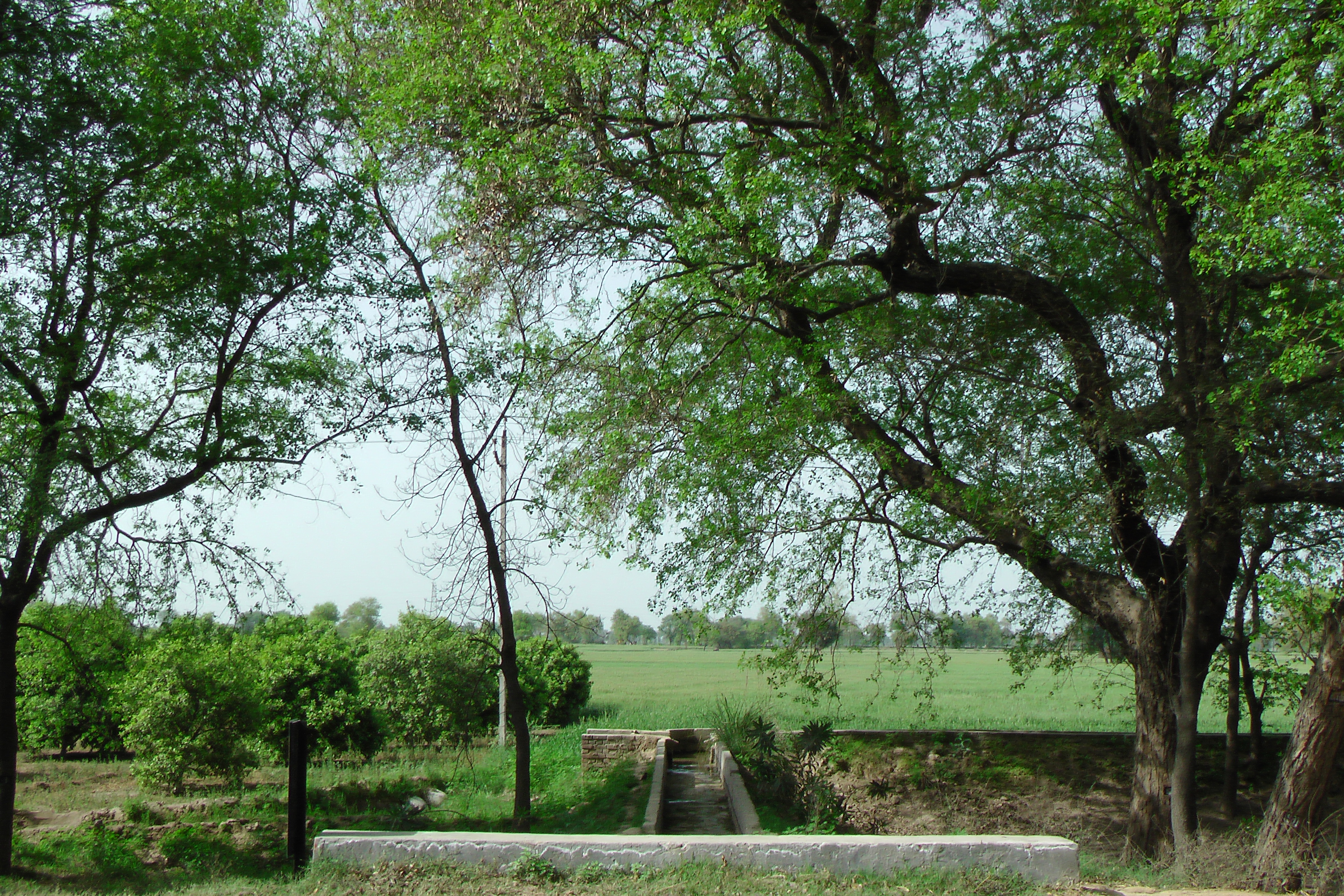
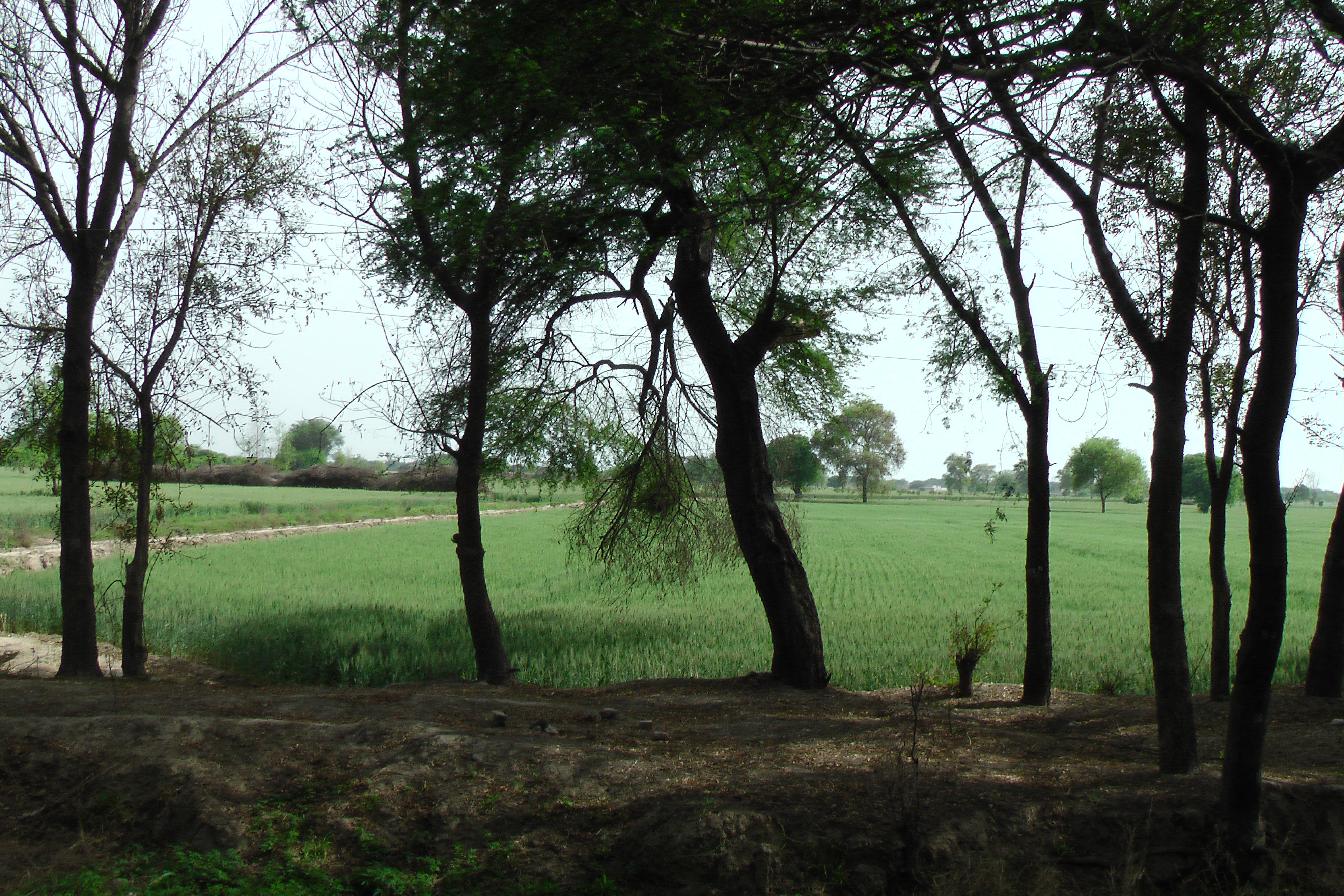
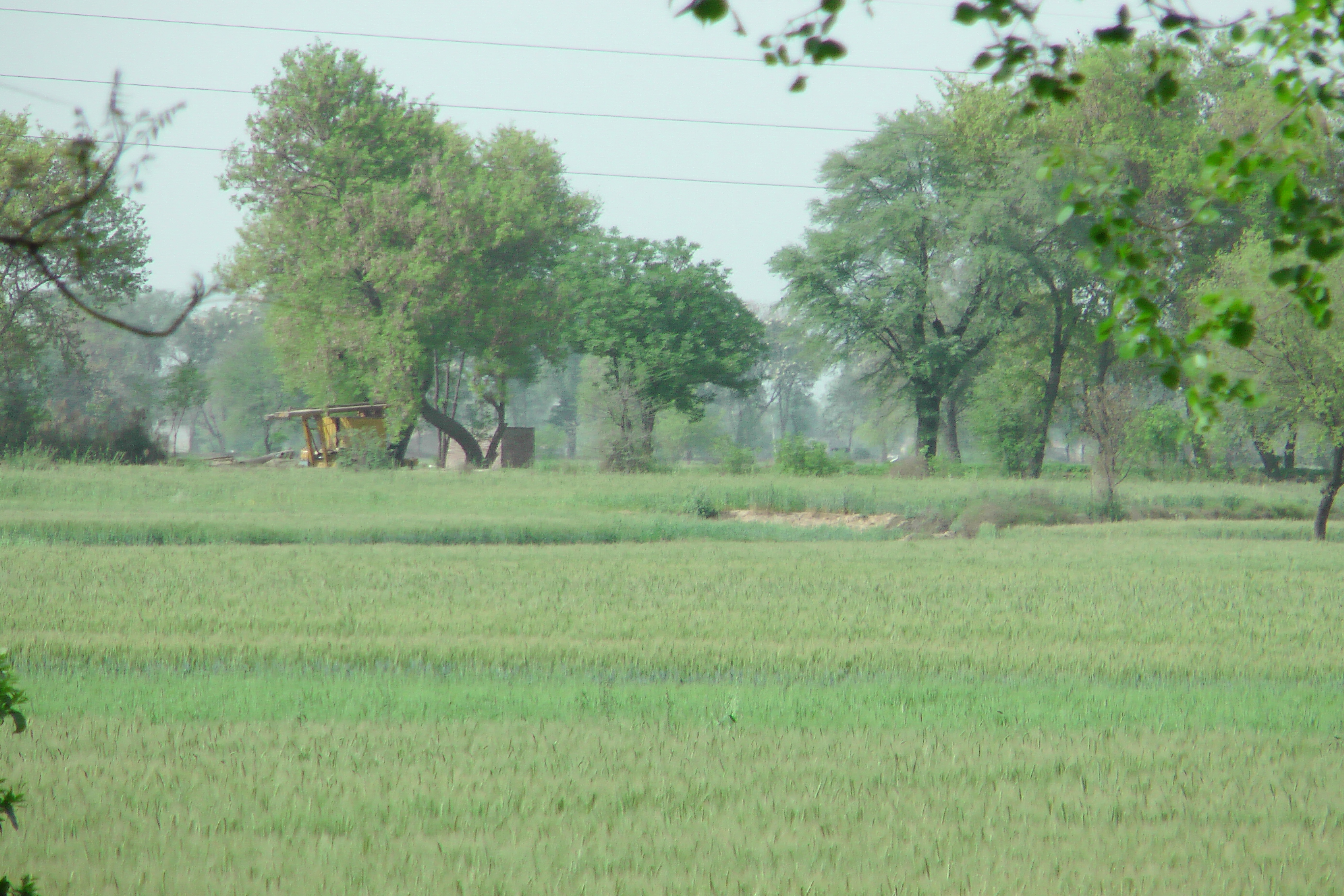
Orange trees and wheat fields. Punjab is irrigated by canals which bring water
from Pakistan.

After the desert sands of Rajasthan, it's lovely to see all this green but it
makes camping much more difficult.

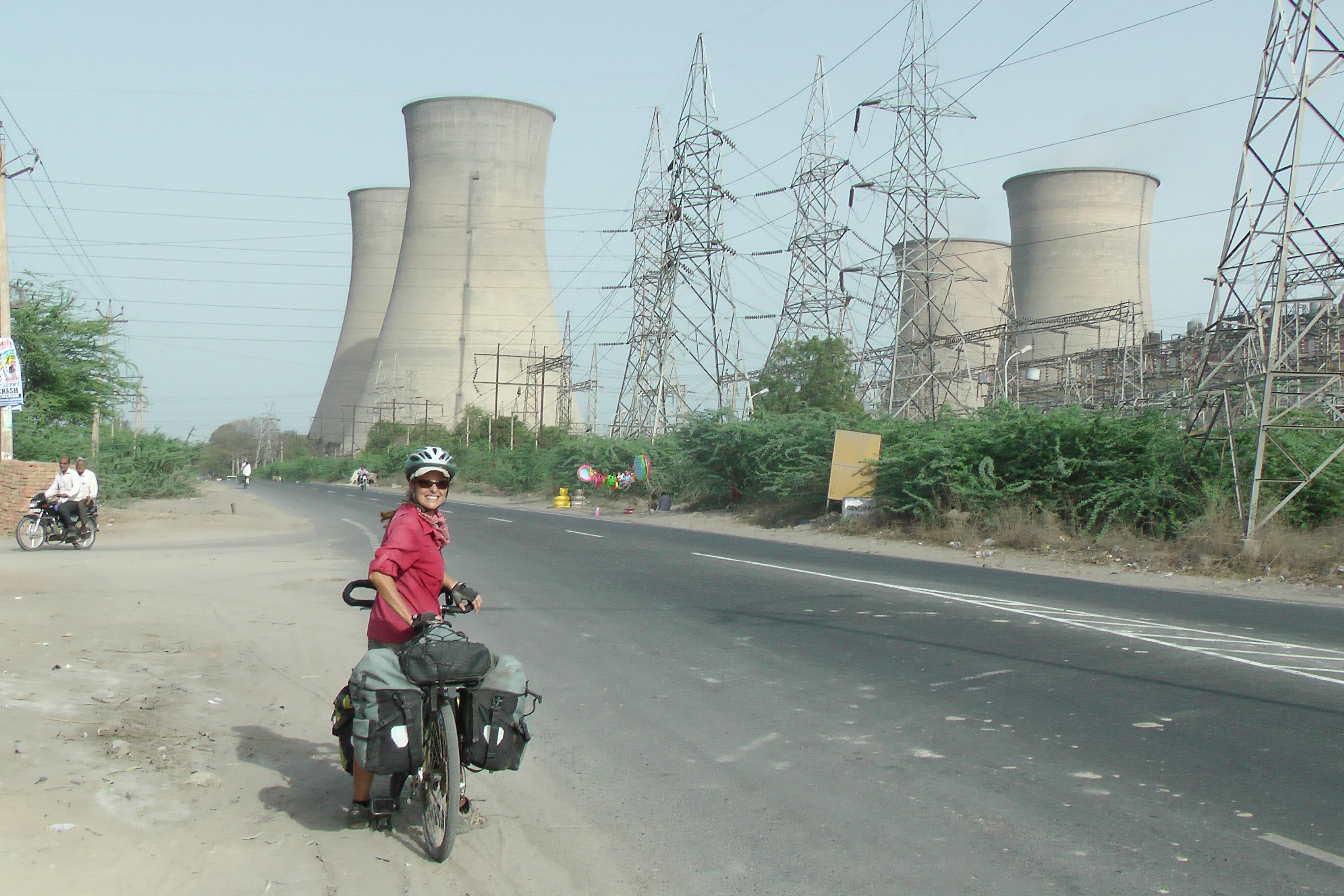
Cue Simpsons theme music! You don't realize how huge the cooling towers are
for nuclear power plants until you're riding right next to them. We saw an
even bigger one 50km later

Punjab is the bread basket on India.

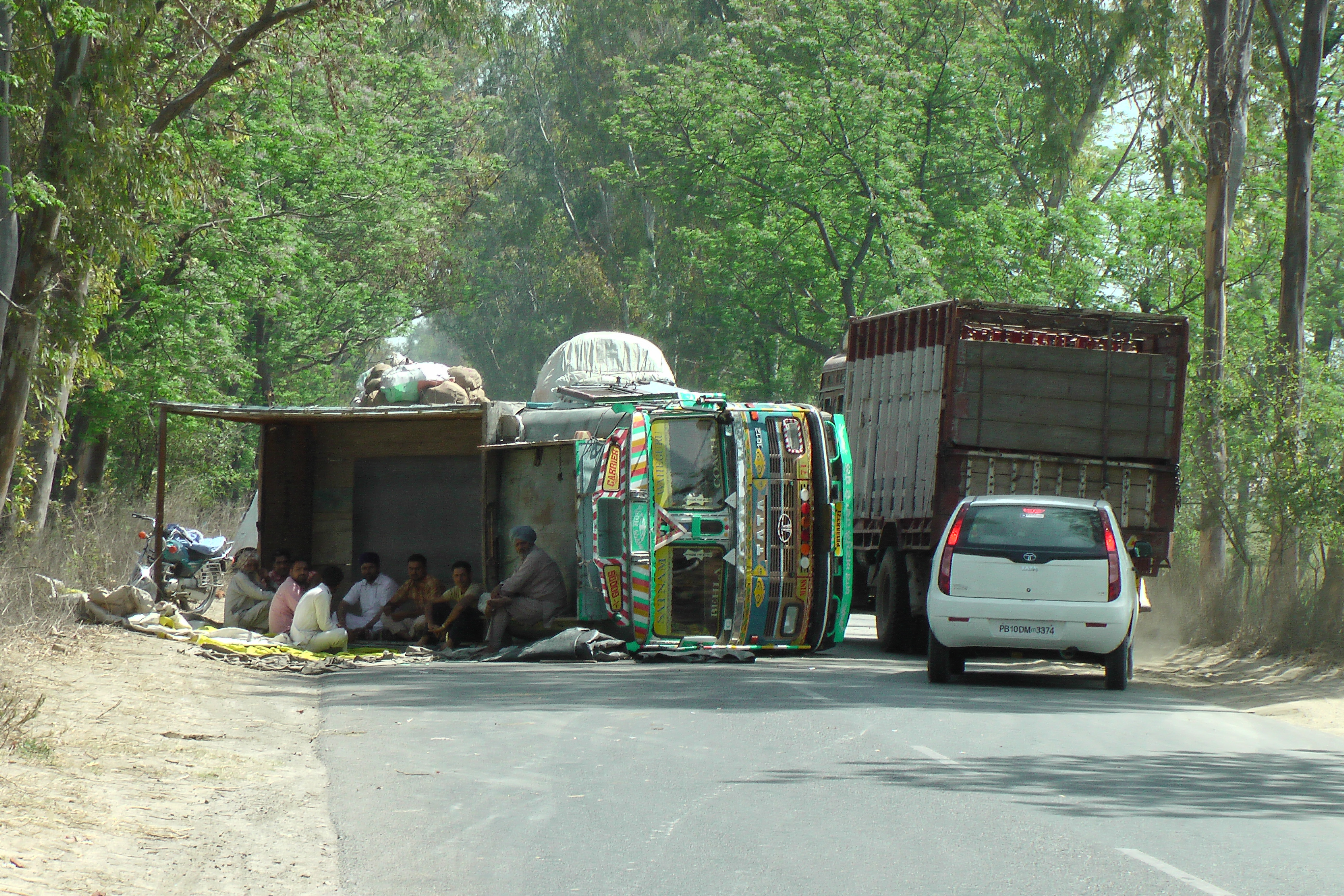
On this shoulder-less section of road, we encountered some seriously scary
driving. Behind this tipped-over truck was a crushed passenger car. We saw two
other accidents that day, and countless stinking dead dogs in the street.

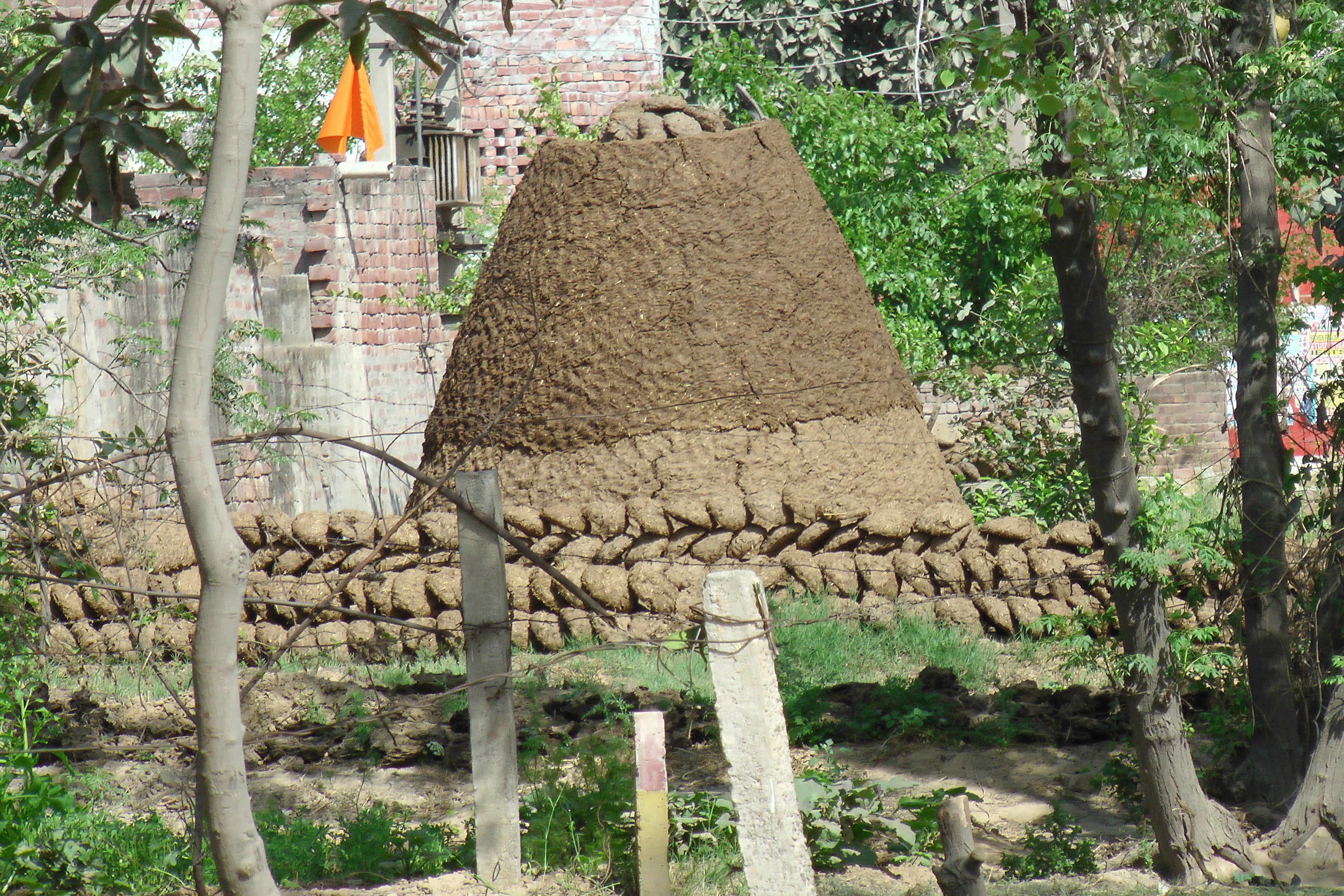
Poo piles.

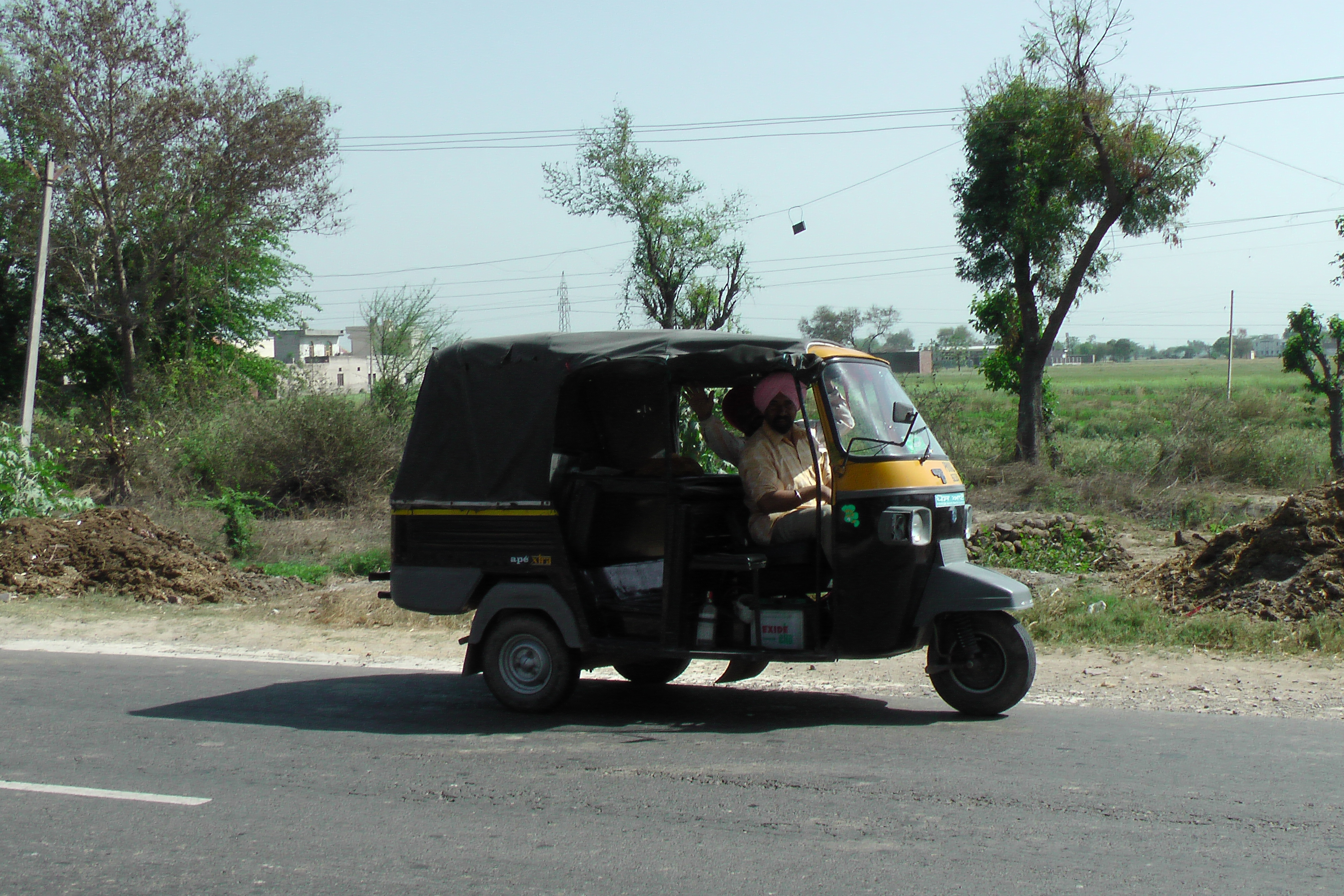
These three wheel tuk tuks carry just about everything.

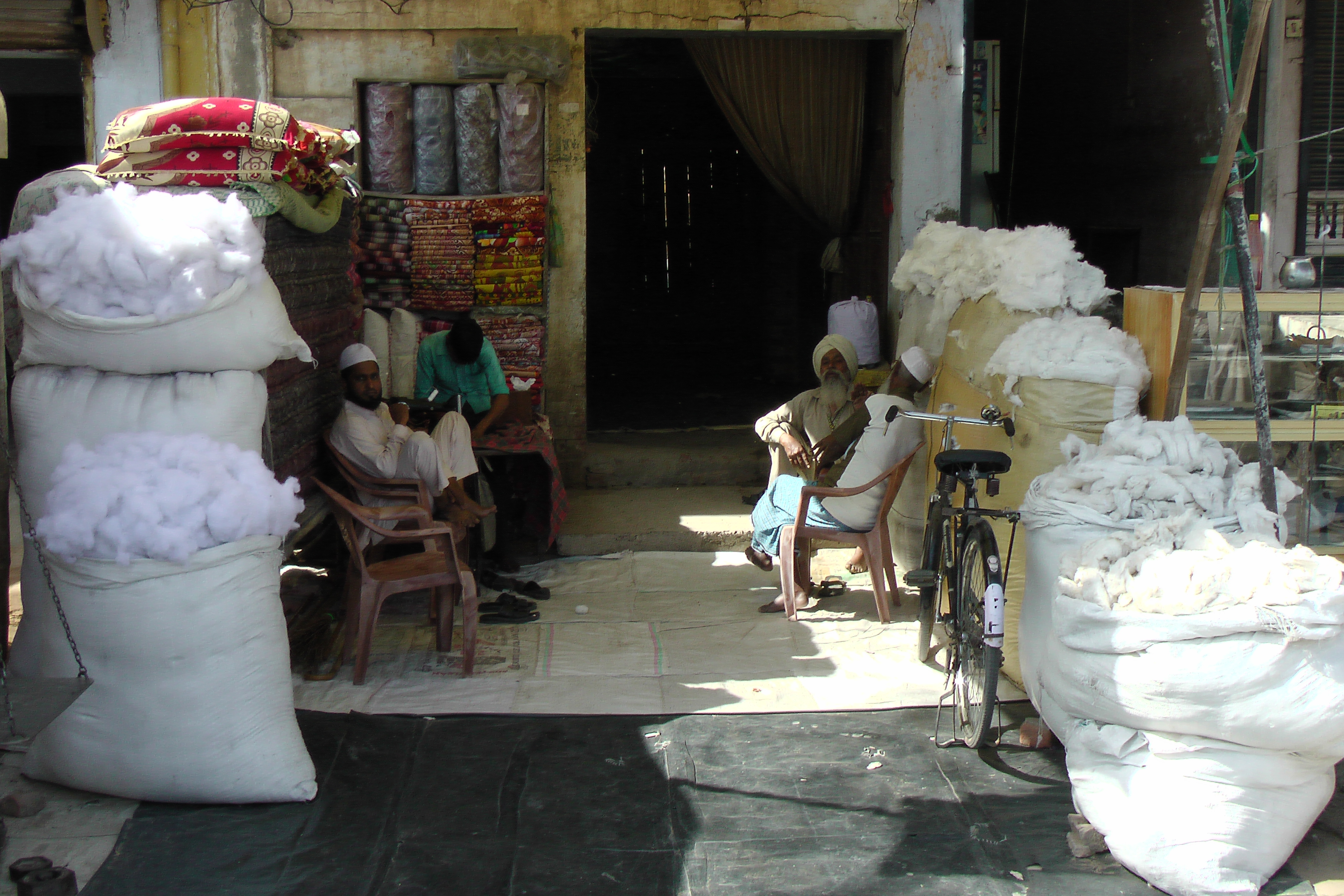
Taking a break from the heat amongst the bags of white cotton.

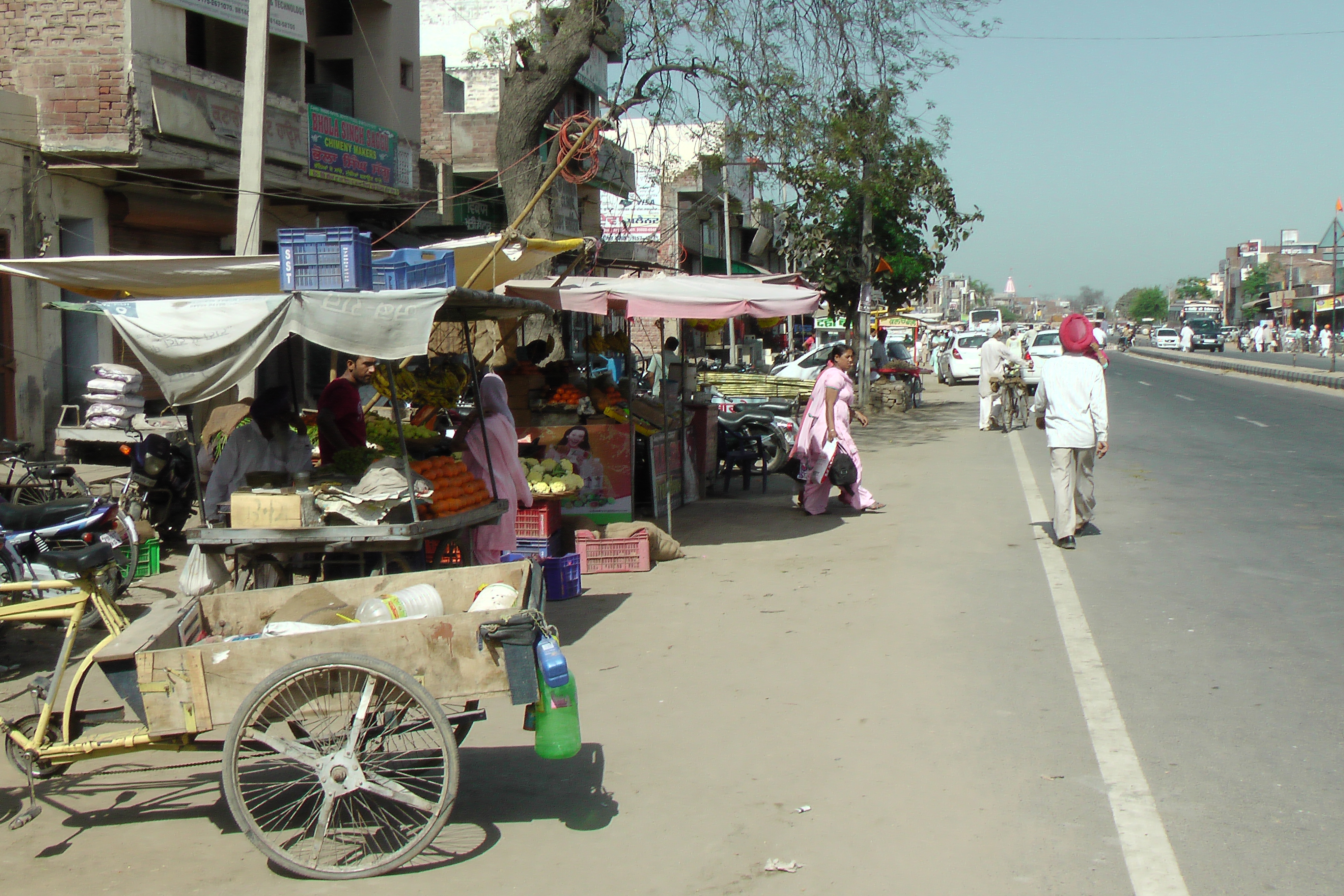
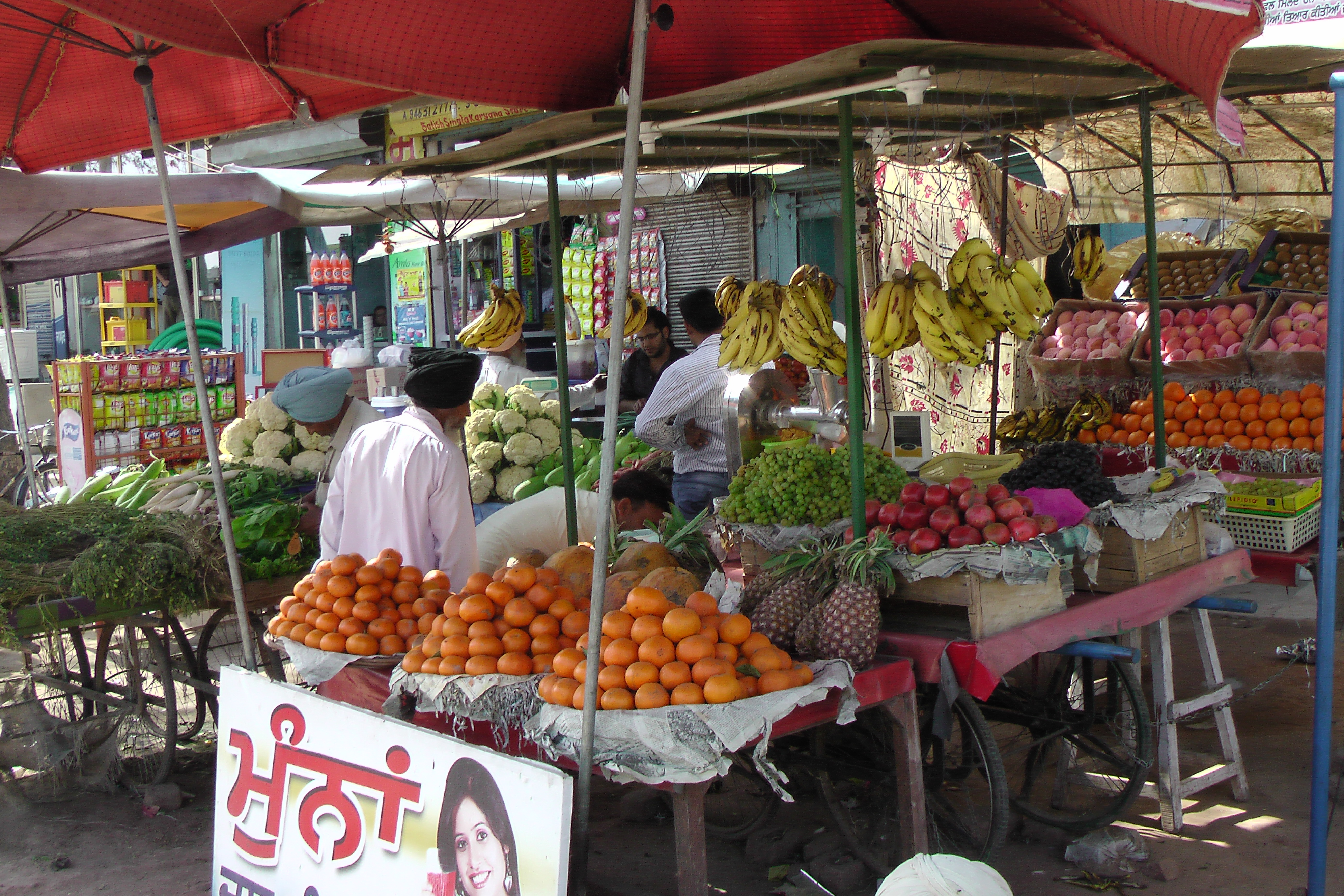
Small businesses abound on the Punjabi road side.

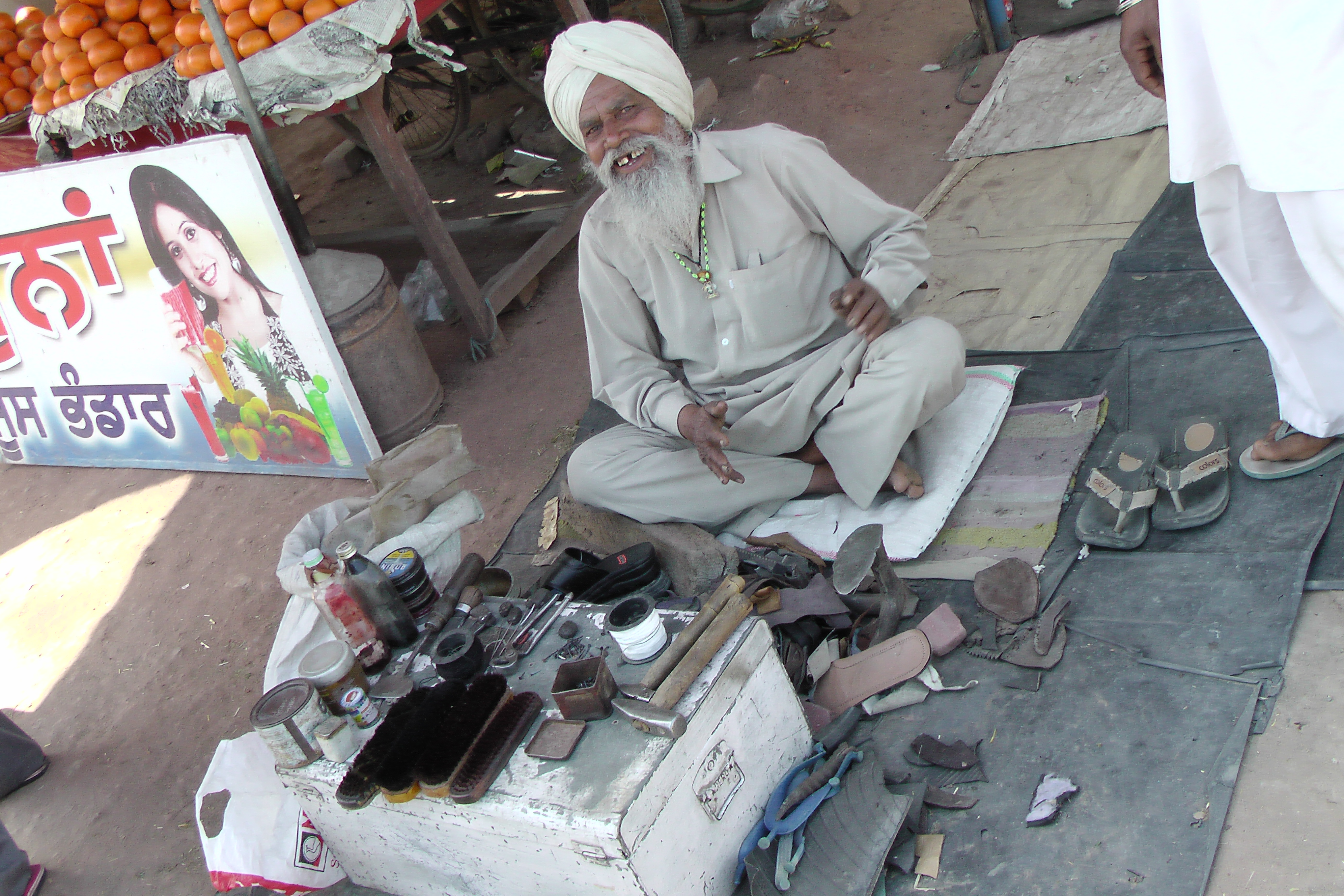
Friendly roadside shoe repair man.

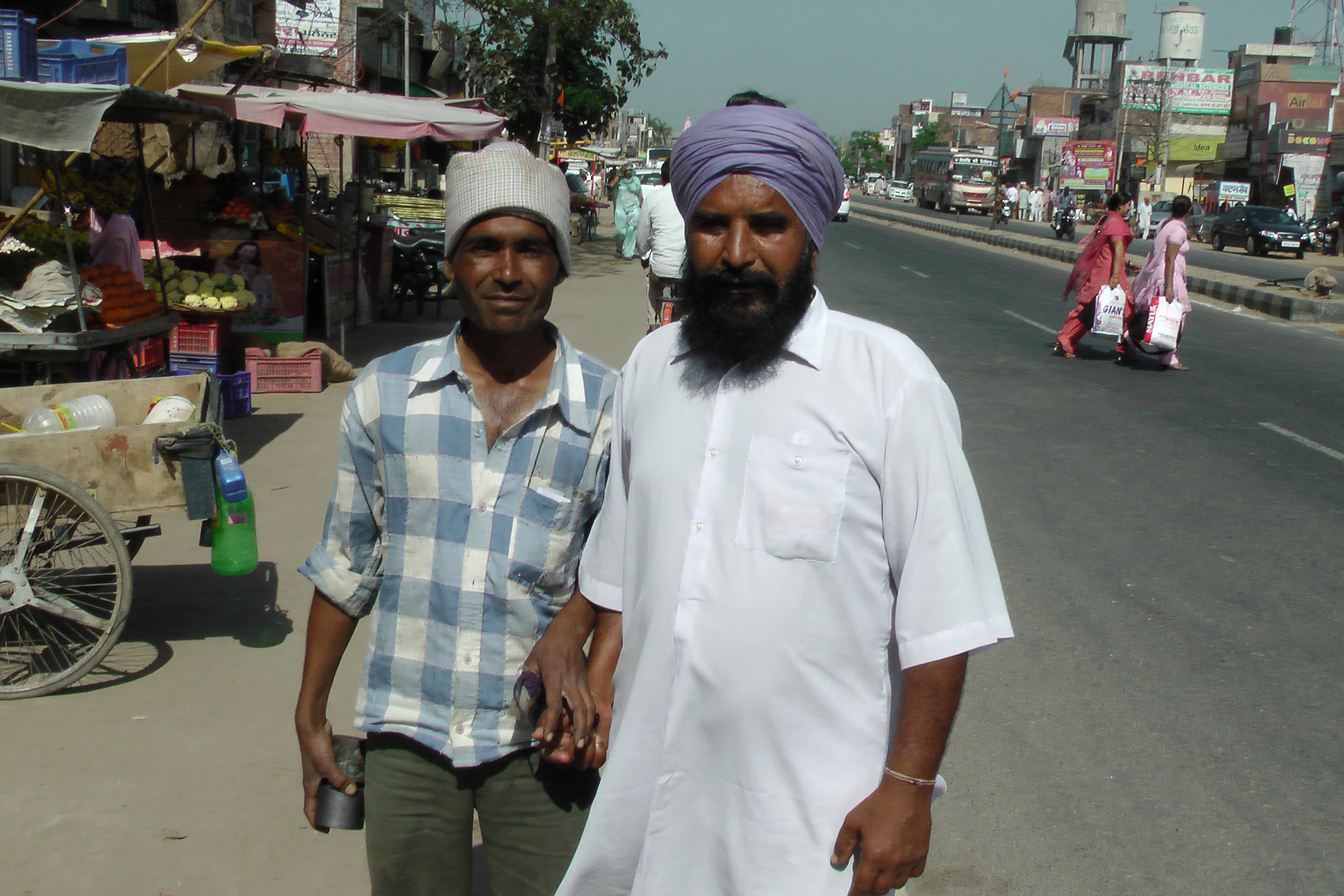
It's not unusual at all to see grown men holding hands in
India.

We've been eating at least a kilo of oranges everyday. They are delicious.

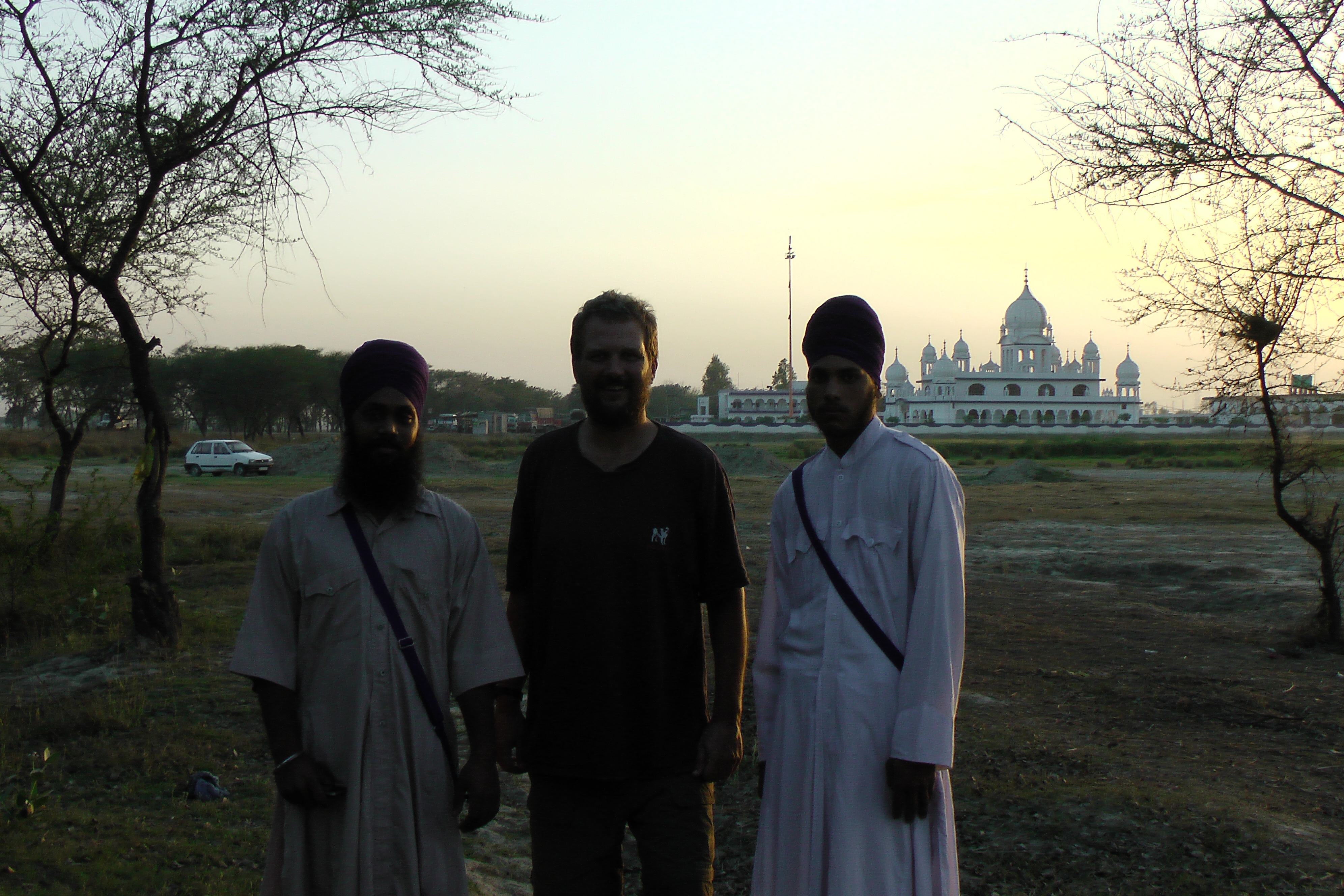
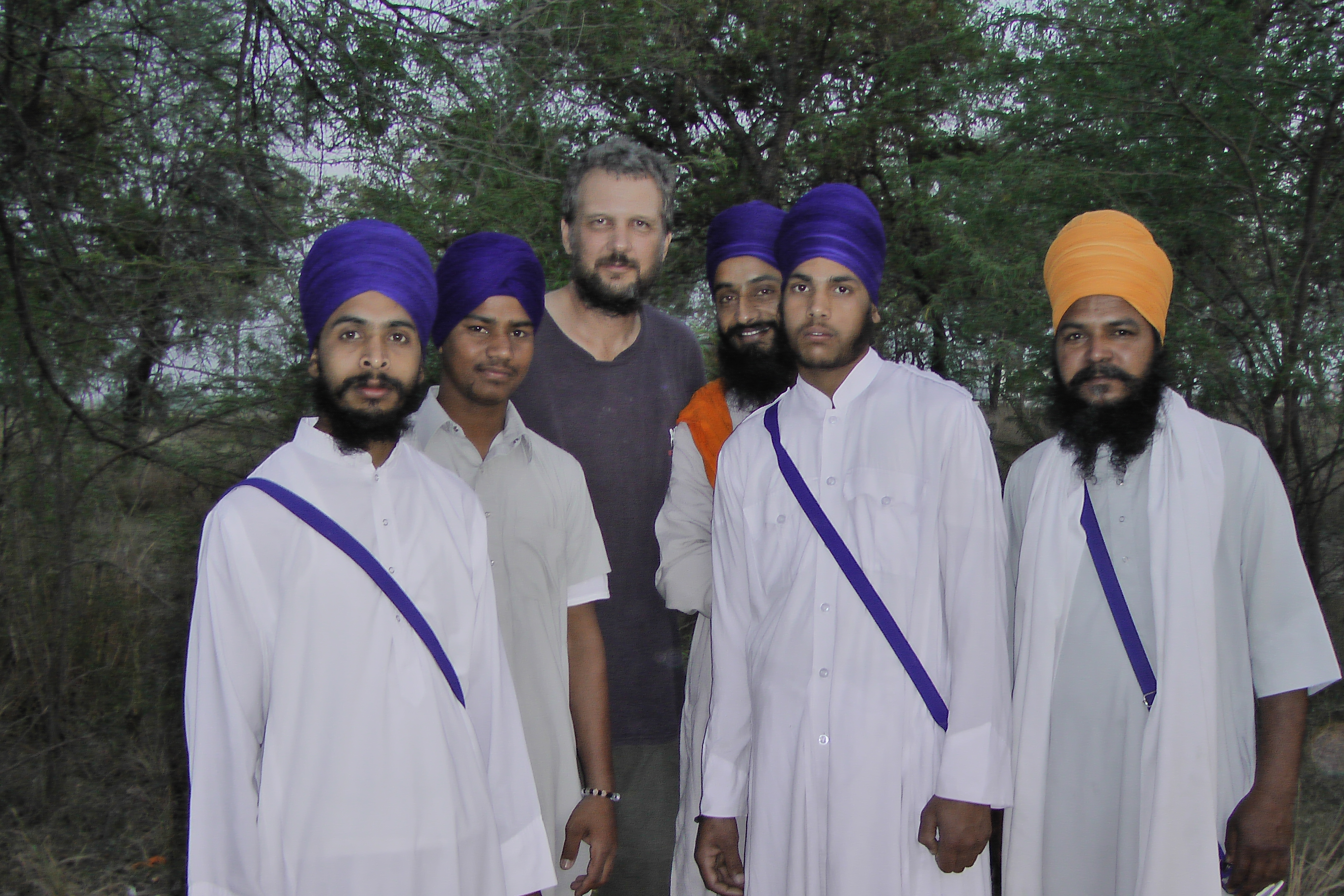
We camped next to this Sikh temple. These young men came over to invite us in
for dinner and to stay the night. Since we'd already set up camp, we declined.
They were quite eager to take photos with us and kept returning with their
friends to take more mobile phone snaps. The straps across their chests hold
their ceremonial daggers.

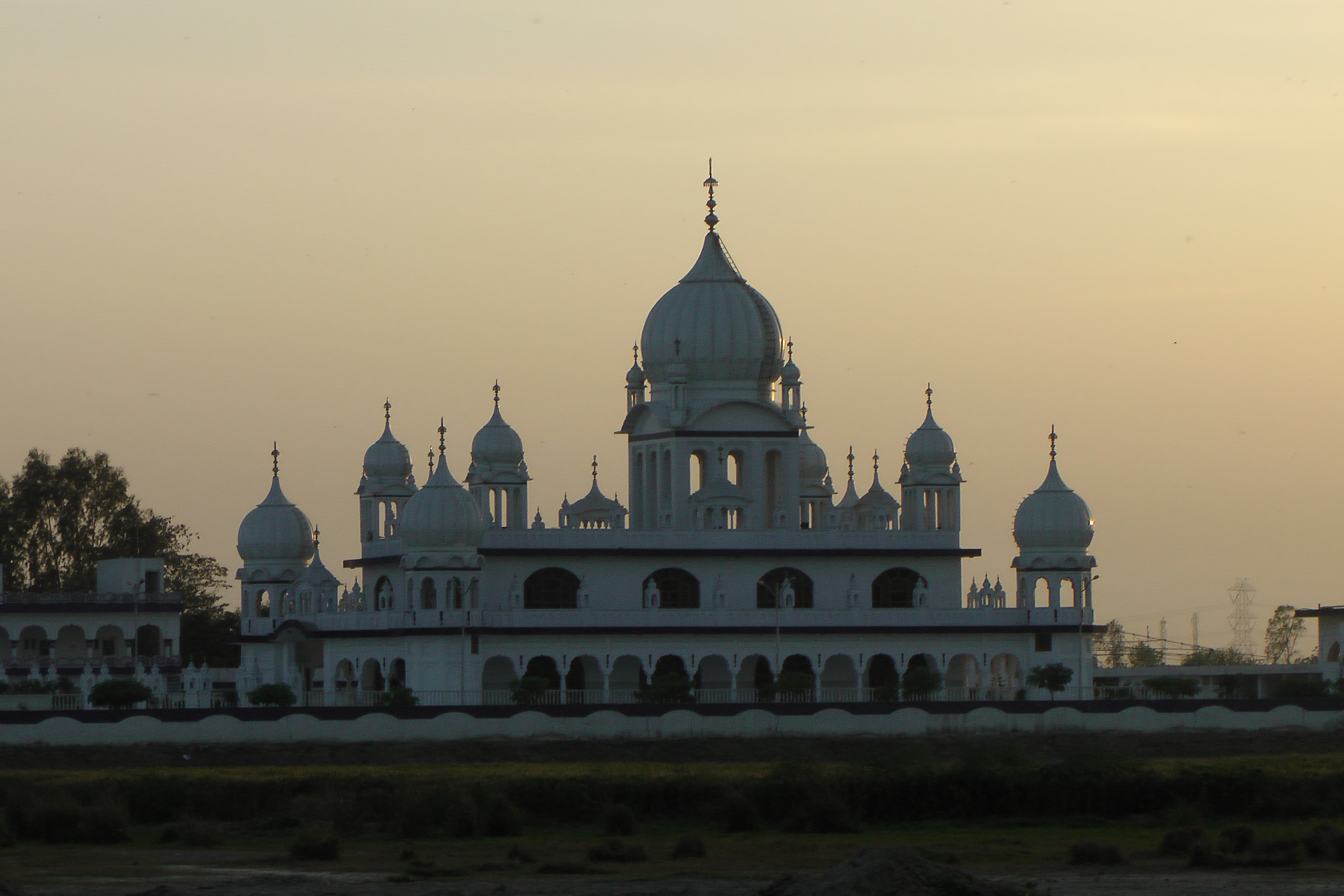
This temple was just as big as the Taj Majal and striking
in the sunset. After we set up camp, we heard a loud engine in the dusty
plains beyond our tiny stand of trees and noticed a tank roaring around in
the distance.

More young Sikhs asking for 'snaps.' We were endlessly
asked to pose for photos during our visit to Punjab.

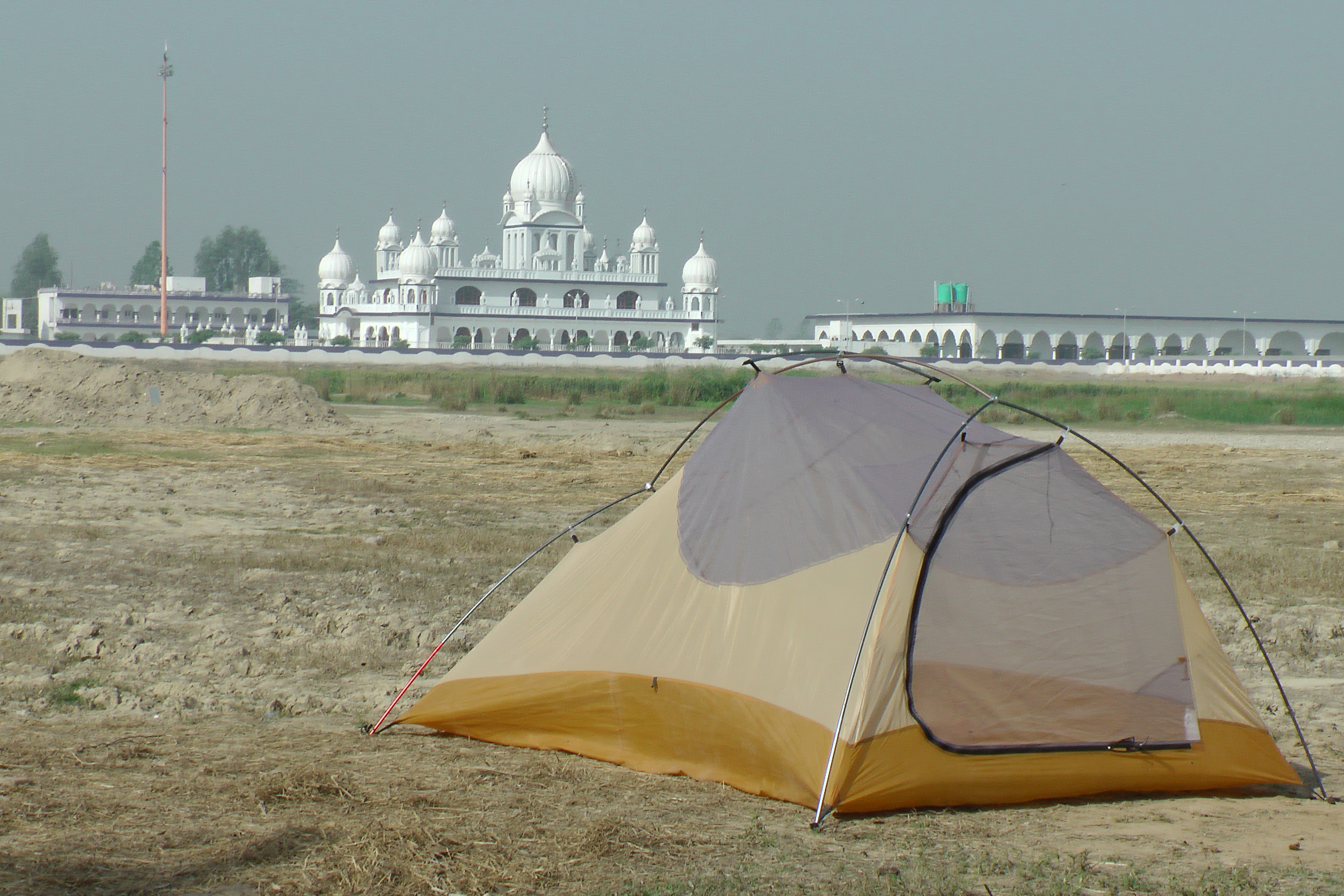
Free camping in a military field with a very large Sikh Temple in the
background. At night it was all lit up in different color lights and in
the morning the Indian Army was driving their tanks around us. The nice
thing about India is no one cares where we camp.

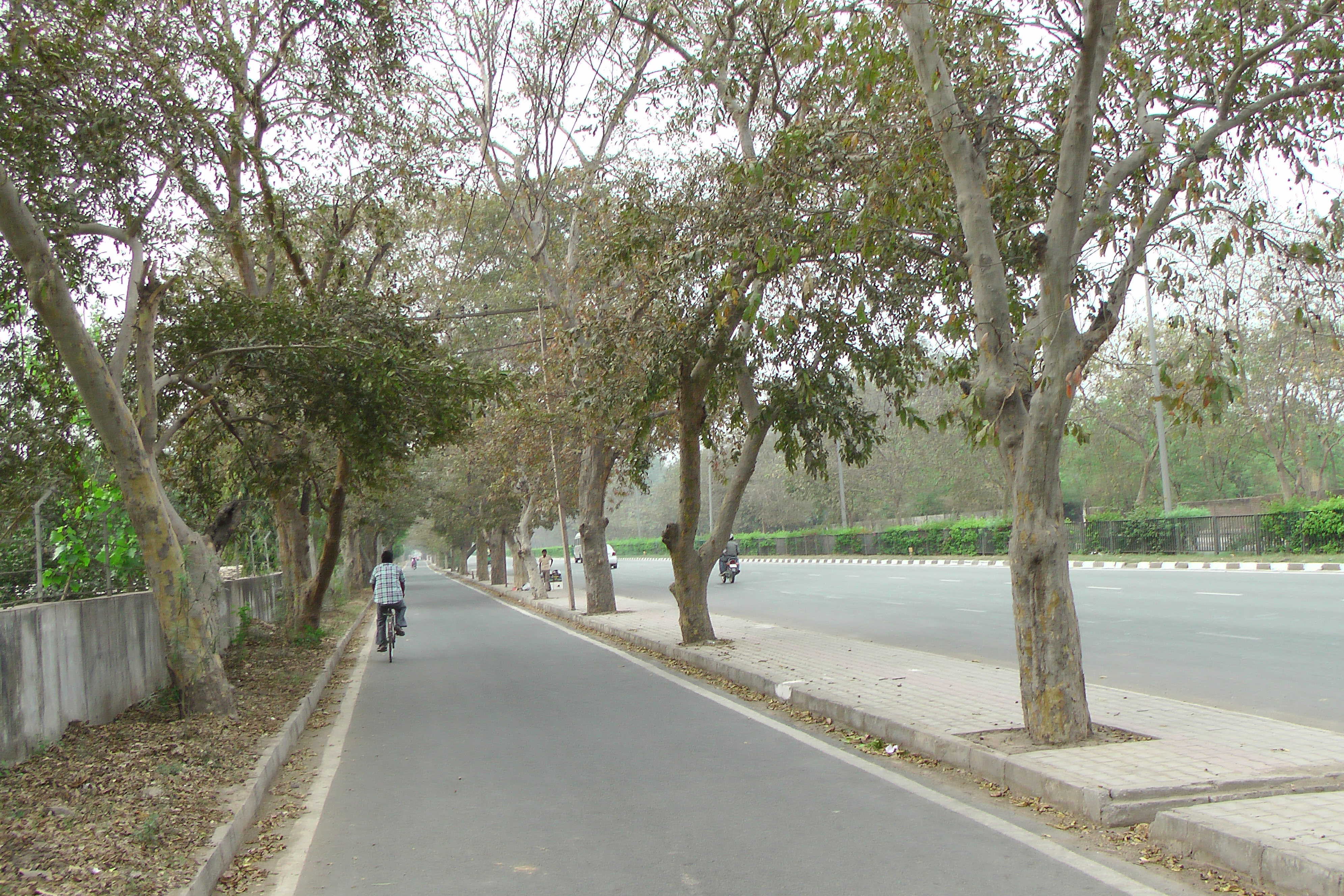
Chandigarh, the capital city of Punjab, is the only planned
city in India. The chief planner was Le Corbusier, a French modernist architect.
We loved the wide tree shaded avenues with actual bike paths! We even found a
high-end bike shop, the first we've seen since Kolkata.
|